
.jpeg)
Where does obeticholic acid come from?
Obeticholic acid (Obeticholic acid) is a semi-synthetic analog derived from the natural bile acid chenodeoxycholic acid (chenodeoxycholic acid). Chenodeoxycholic acid is the main bile acid in humans and a natural ligand of the farnesoidX receptor (FXR). FXRs are considered nuclear hormone receptors because they are predominantly expressed in the nucleus of liver and intestinal cells. In enterocytes, FXR activity regulates bile acid synthesis by releasing fibroblast growth factor (FGF-19) into the portal circulation. In hepatocytes, FXRs are involved in the regulation of liver inflammation, fibrosis, metabolic pathways, and regeneration.
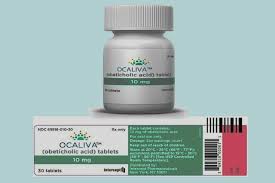
Primary biliary cirrhosis, now called primary biliary cholangitis (PBC), is a chronic liver disease that destroys the bile ducts in the liver and can lead to cirrhosis (scarring of the liver) and liver failure. Primary biliary cholangitis is a progressive disease that may remain asymptomatic for many years. Obeticholic acid is used to treat primary biliary cholangitis in adults who have not developed cirrhosis. Obeticholic acid is sometimes used with another drug called ursodeoxycholic acid (UDCA). Obeticholic acid may also be used for purposes not listed in this Medication Guide.
For adult patients who are intolerant toUDCA or who have not responded adequately to appropriate doses of UDCA for at least one year, the recommended starting dose of oral obeticholic acid is 5 mg once daily with or without food. If alkaline phosphatase or total bilirubin has not decreased sufficiently after 3 months of obeticholic acid treatment, the dose can be increased to 10 mg orally once daily. For patients with hepatic impairment (Child-Pugh class B or C), the dose is 5 mg weekly and may be increased to 10 mg twice weekly or 10 mg twice weekly based on clinical response.
[ 免责声明 ] 本页面内容来自公开渠道(如FDA官网、Drugs官网、原研药厂官网等),仅供持有医疗专业资质的人员用于医学药学研究参考,不构成任何治疗建议或药品推荐。所涉药品可能未在中国大陆获批上市,不适用于中国境内销售和使用。如需治疗,请咨询正规医疗机构。本站不提供药品销售或代购服务。


