
.jpeg)
Obeticholic acid: recognized internationally, looking forward to domestic launch
Obeticholic acid (Obeticholic acid), as an innovative bile acid analog and farnesoid X receptor agonist, provides a new treatment option for adult patients with primary biliary cholangitis (PBC) who have poor response or intolerance to ursodeoxycholic acid (UDCA) treatment. Since 2016, this drug has attracted widespread attention internationally. It has been approved for marketing by the U.S. Food and Drug Administration (FDA) and the European Medicines Agency (EMA), and is used globally under the trade name Ocaliva.
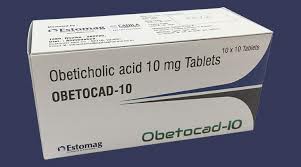
Primary biliary cholangitis is a progressive, autoimmune liver disease that causes progressive damage to the bile ducts and liver, leading to fibrosis and cirrhosis. In this process, excessive accumulation of bile acids can aggravate bile duct damage and fibrosis. The mechanism of action of obeticholic acid is to reduce the synthesis of bile acids, reduce inflammation levels and inhibit the development of liver fibrosis by activating FXR. This unique mechanism of action makes obeticholic acid theoretically possible to improve the survival rate of PBC patients, although this association has not been confirmed yet.
However, for patients in China, the road to market for obeticholic acid still seems to be challenging. Although it has been widely recognized internationally, it has not yet received marketing approval in China, which prevents many patients in urgent need of this drug from obtaining treatment through formal channels. This is undoubtedly a regrettable status quo and highlights the urgent need for the introduction of innovative drugs in the country. Faced with the current inability to purchase obeticholic acid in China, patients can learn about the latest research progress and clinical trial data of this drug through various channels.
[ 免责声明 ] 本页面内容来自公开渠道(如FDA官网、Drugs官网、原研药厂官网等),仅供持有医疗专业资质的人员用于医学药学研究参考,不构成任何治疗建议或药品推荐。所涉药品可能未在中国大陆获批上市,不适用于中国境内销售和使用。如需治疗,请咨询正规医疗机构。本站不提供药品销售或代购服务。


