
.jpeg)
Detailed instructions for use of Apelix
1. Applicable groups and diseases
Alpelisib (Alpelisib) combined with fulvestrant is mainly used to treat patients with hormone receptor (HR)-positive, human epidermal growth factor receptor 2 (HER2)-negative, advanced or metastatic breast cancer with PIK3CA mutations. This treatment is specifically targeted at postmenopausal women and men whose PIK3CA mutation status needs to be confirmed by an FDA-approved test.
2. Possible adverse reactions
Adverse reactions that may be caused by taking Apelvis include: diarrhea, rash, nausea, fatigue, decreased appetite, stomatitis, vomiting, weight loss, hair loss, etc. In addition, more serious side effects such as uveitis, colitis, hyperglycemic hyperosmolar nonketotic syndrome (HHNKS), angioedema, and drug reactions with eosinophilia and systemic symptoms (DRESS) have also been reported during post-marketing surveillance.
3. Medication methods and dosage
1) Pre-medication assessment: Doctors will decide whether to use Apelvis for treatment based on whether there is a PIK3CA mutation in the patient's tumor tissue or plasma sample.
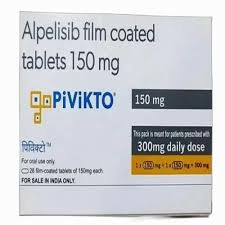
2) Recommended dose: Apelvis is an oral tablet. The recommended dose is 300mg per day (i.e. two 150mg film-coated tablets). It is recommended to take it with food. Treatment should be continued until disease progression or intolerable side effects occur. When used in combination with fulvestrant, the dosing regimen of fulvestrant needs to be adjusted according to its prescribing information.
3) Medication management: Apelvis tablets should be swallowed whole and avoid chewing, crushing or splitting. Do not take if tablet is broken or incomplete. If you miss a dose of Apelvis, you can take it within 9 hours after the scheduled dose; if it exceeds 9 hours, skip the dose. If you vomit after taking the medicine, it is recommended not to take additional medicine on the same day; in both cases, the medication plan should be resumed at the normal time the next day.
4) Medication for special patients: For patients with difficulty swallowing, the tablets can be dissolved in water and taken. The specific method is: put the tablets into a drinking cup containing 60-120mL of water, wait for 5 minutes, stir and drink immediately. Then add a small amount of water to rinse the remaining medicine in the cup and drink it to ensure complete administration.
4. Drug Storage
Apelix tablets (including50mg, 150mg and 200mg strengths) should be stored at 20°C to 25°C, with short-term fluctuations between 15°C and 30°C allowed. Make sure the medicine is kept out of the reach of children.
5. Mechanism of action
Apelix is a phosphatidylinositol-3-kinase (PI3K) inhibitor, mainly inhibits PI3Kα. In in vitro and in vivo models, apelvis induces tumor cell apoptosis and inhibits tumor growth by inhibiting the PI3Kα signaling pathway. In ER-positive breast cancer cells, the combination of apelvis and fulvestrant further enhanced anti-tumor activity.
6. Treatment of drug overdose
Experience with apelixide overdose in clinical trials is limited. In the study, the highest dose was 450 mg daily. The possible adverse reactions resulting from overdose are consistent with the known safety profile of the drug. In the event of overdose, general symptomatic and supportive treatment measures should be taken. There is currently no known specific antidote for apelix.
7. Taboo groups
This drug is contraindicated in patients with a severe allergic reaction to apelix or any of its components. Before starting treatment, be sure to tell your doctor about your allergies and other important health information.
[ 免责声明 ] 本页面内容来自公开渠道(如FDA官网、Drugs官网、原研药厂官网等),仅供持有医疗专业资质的人员用于医学药学研究参考,不构成任何治疗建议或药品推荐。所涉药品可能未在中国大陆获批上市,不适用于中国境内销售和使用。如需治疗,请咨询正规医疗机构。本站不提供药品销售或代购服务。


