
.jpeg)
Ibrutinib/Ibrutinib Medication Guide
Ibrutinib/Ibrutinib is an important targeted therapy drug, mainly used to treat a variety of B-cell malignancies, including chronic lymphocytic leukemia, small lymphocytic lymphoma, mantle cell lymphoma, etc. Its usage and dosage are very critical, and patients need to strictly follow the doctor's instructions to ensure the effectiveness and safety of the treatment.
Ibrutinib/ Ibrutinib is usually administered orally and is available in capsules and tablets. Patients should take it at a fixed time every day to ensure a stable concentration of the drug in the body. Capsules or tablets should be swallowed whole with sufficient water (at least 250 ml) and should not be opened, broken, chewed or crushed to avoid affecting the efficacy or increasing side effects.
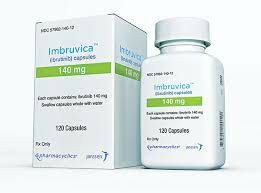
Ibrutinib/The recommended dose of ibrutinib will vary based on the specific condition and type of patient. In general, for patients with mantle cell lymphoma and marginal zone lymphoma, the recommended dose is 560 mg (equivalent to four 140 mg capsules) once daily. For patients with chronic lymphocytic leukemia, small lymphocytic lymphoma and Waldenstrom's macroglobulinemia, the recommended dose is 420 mg once daily (equivalent to three 140 mg capsules or one 420 mg tablet).
During the treatment process, patients should pay close attention to any possible side effects, such as bleeding, infection, diarrhea, etc., and report to the doctor in time. Doctors may adjust the dose or take other appropriate treatment measures based on the patient's response and condition. In addition, ibrutinib/ibrutinib can be used in combination with other drugs, such as rituximab, etc., to enhance the therapeutic effect. However, you should be more cautious when using combined medications and follow your doctor's prescriptions and instructions.
In short, the usage and dosage of ibrutinib/ibrutinib vary depending on the patient's condition, and patients must strictly follow the doctor's prescriptions and recommendations to ensure the effectiveness and safety of the treatment. At the same time, maintaining good doctor-patient communication and cooperation is also the key to successful treatment.
[ 免责声明 ] 本页面内容来自公开渠道(如FDA官网、Drugs官网、原研药厂官网等),仅供持有医疗专业资质的人员用于医学药学研究参考,不构成任何治疗建议或药品推荐。所涉药品可能未在中国大陆获批上市,不适用于中国境内销售和使用。如需治疗,请咨询正规医疗机构。本站不提供药品销售或代购服务。


