
.jpeg)
Instructions for use of ibrutinib/ibrutinib capsules
1. Overview of drugs
Ibrutinib/ibrutinib is an innovative drug that is widely used to treat a variety of B-cell malignancies and chronic graft-versus-host disease. As an inhibitor of Bruton's tyrosine kinase (BTK), ibrutinib effectively controls the proliferation and survival of malignant cells by precisely acting on the target enzyme, providing patients with new treatment options.
2. Detailed explanation of treatment indications
1) Chronic lymphocytic leukemia (CLL)/small lymphocytic lymphoma (SLL):
Ibrutinib has been confirmed to have significant efficacy in adult patients with CLL and SLL, especially those at high risk with 17p deletion.
2) Waldenstrom's macroglobulinemia (WM):
For adult patients with WM, ibrutinib has also demonstrated its superior therapeutic effect and effectively controlled disease progression.
3) Chronic graft-versus-host disease (cGVHD):
After failure of multiple systemic treatments, ibrutinib provides a new treatment opportunity for cGVHD patients 1 year and older, including adult and pediatric patients.
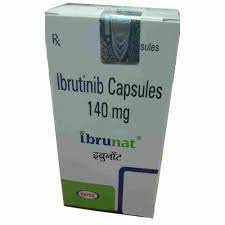
3. Medication methods and dose adjustment
1. Routine dosage recommendation:
1) Patients with CLL/SLL and WM: It is recommended to take 420 mg orally daily and continue taking the medication until the disease progresses or unacceptable toxic reactions occur.
2) cGVHD patients: 420 mg per day for 12 years and above; 240 mg/m2 per day based on body surface area from 1 to 12 years old (maximum not exceeding 420 mg) until the disease progresses or treatment-related adverse reactions occur.
2. Combined treatment plan:
CLL/SLL treatment can be used in combination with rituximab, obinutuzumab and other drugs to enhance the therapeutic effect. In the treatment of WM, ibrutinib can be used alone or in combination with rituximab.
3. Medication precautions:
Patients should take medications with water at the same time every day to ensure regularity of medication use.
Capsules should be swallowed whole and avoid opening, breaking or chewing.
If you miss a dose, you can take it as soon as possible on the same day, but it is not recommended to increase the dose.
4. Recommendations for dose adjustment for special groups:
1) Patients with impaired liver function: Depending on the degree of liver function impairment, the dose needs to be adjusted accordingly, and patients with severe liver function impairment should avoid use.
2) Patients with cGVHD and elevated total bilirubin levels: The dose needs to be adjusted according to the total bilirubin level to ensure the safety of medication.
4. Adverse reactions and countermeasures
During the clinical application of ibrutinib, patients may suffer from a variety of adverse reactions, such as thrombocytopenia, diarrhea, fatigue, etc. Patients should pay close attention to their physical condition, undergo regular examinations, and promptly report any discomfort to their doctor. Doctors will adjust the treatment plan according to the patient's specific situation to reduce the impact of adverse reactions.
5. Drug storage and custody
Ibrutinib capsules should be stored at room temperature ( 20°C to 25°C) and allowed brief exposure in the range of 15°C to 30°C. To ensure medicine quality, it is recommended to keep medicines in their original packaging before dispensing. Patients should avoid exposing medicines to temperatures that are too high or too low to avoid affecting the effectiveness of the medicine.
6. Reproductive and contraceptive advice
In view of the possible impact of ibrutinib on fertility, it is recommended that men and women with reproductive needs take effective contraceptive measures during treatment and for a period of time after discontinuation of treatment. This helps protect the reproductive health of patients and their partners and avoid potential risks.
7. In-depth analysis of the mechanism of action
Ibrutinib interferes with the signaling of B cell antigen receptor (BCR) and cytokine receptor pathways by inhibiting the activity of Bruton's tyrosine kinase (BTK). This mechanism of action causes the proliferation and survival of malignant B cells to be inhibited, thereby achieving the purpose of treating the disease. Non-clinical studies further confirmed the inhibitory effect of ibrutinib on cell migration and matrix adhesion in vitro, providing a scientific basis for its clinical efficacy.
[ 免责声明 ] 本页面内容来自公开渠道(如FDA官网、Drugs官网、原研药厂官网等),仅供持有医疗专业资质的人员用于医学药学研究参考,不构成任何治疗建议或药品推荐。所涉药品可能未在中国大陆获批上市,不适用于中国境内销售和使用。如需治疗,请咨询正规医疗机构。本站不提供药品销售或代购服务。


