
.jpeg)
The difference between ibrutinib/ibrutinib and osimertinib
Ibrutinib/Ibrutinib and Osimertinib are two drugs that have a significant impact in the medical field and play an important role in the treatment of cancer. However, although they are all anticancer drugs, there are significant differences in drug type, indications, administration methods, adverse reactions, and drug interactions.
1. Drug type: Britinib belongs to a class of drugs called britinidone, while osimertinib belongs to an epidermal growth factor receptor (EGFR) tyrosine kinase inhibitor (TKI). The two drugs differ in their chemical structure and mechanism of action, and therefore in how they interact with cancer cells at the molecular level. Ibrutinib mainly exerts its anti-cancer effect by inhibiting the B cell receptor signaling pathway, while osimertinib prevents the growth and spread of tumor cells by inhibiting the EGFR signaling pathway.
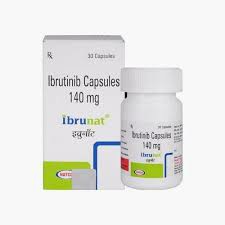
2. Indications: ibrutinib and osimertinib are also different. Ibrutinib is mainly used to treat B-cell malignancies such as chronic lymphocytic leukemia (CLL), small lymphocytic lymphoma (SLL), and Waldenstrom's macroglobulinemia (WM) in adults. Osimertinib is mainly used to treat non-small cell lung cancer (NSCLC), especially those carrying epidermal growth factor receptor (EGFR) exon 19 deletions or exon 21 L858R mutations. These differences in indications reflect differences in the effectiveness of the two drugs in treating different types of cancer.
3. Mode of administration: There are also differences between ibrutinib and osimertinib. Ibrutinib is usually taken orally once daily in the form of tablets, capsules, oral suspensions, etc., while osimertinib is taken orally in tablet form once or twice daily. The specific dosage depends on the patient's specific condition and the recommendation of the doctor. This difference in administration may have some impact on patient convenience and treatment compliance.
4. Adverse reactions: There are some differences between ibrutinib and osimertinib. Common side effects of ibrutinib include bleeding, infection, fatigue, diarrhea, musculoskeletal pain, etc., but these symptoms usually subside gradually. The side effects of osimertinib may include rash, diarrhea, stomatitis, etc. These symptoms may gradually adapt as the treatment progresses. In addition, both drugs may have certain effects on the heart, but the specific manifestations may be different. Therefore, when using these drugs, doctors need to pay close attention to patients' adverse reactions and take appropriate measures to deal with them.
5. Drug interactions: Due to their different mechanisms of action and metabolic pathways, their interactions with other drugs may also be different. Therefore, when using these drugs, physicians need to understand the patient's medication history and assess the risk of potential drug interactions.
In summary, there are significant differences between ibrutinib and osimertinib, which give these two drugs different advantages and limitations in treating cancer. Therefore, when choosing which drug to use, doctors need to consider the patient's specific situation, cancer type, and treatment goals.
[ 免责声明 ] 本页面内容来自公开渠道(如FDA官网、Drugs官网、原研药厂官网等),仅供持有医疗专业资质的人员用于医学药学研究参考,不构成任何治疗建议或药品推荐。所涉药品可能未在中国大陆获批上市,不适用于中国境内销售和使用。如需治疗,请咨询正规医疗机构。本站不提供药品销售或代购服务。


