
.jpeg)
Effects of ibrutinib/ibrutinib on the heart
Ibrutinib/Ibrutinib is a once-daily oral drug that acts as a BTK inhibitor by irreversibly covalently binding to C481 of the BTK kinase domain. Ibrutinib has profoundly changed the treatment landscape of B-cell malignancies. Clinical trials have proven that ibrutinib is superior to the CD20 antibody ofatumumab in the treatment of relapsed/refractory chronic lymphocytic leukemia (CLL), and is superior to chlorambucil in the treatment of previously untreated elderly patients with CLL or small lymphocytic lymphoma (SLL).
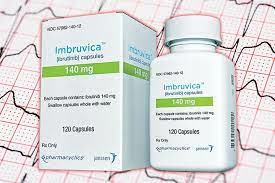
But fatal and serious arrhythmias and heart failure have occurred with ibrutinib. Of the 4,896 patients treated in clinical trials, 1% died from cardiac causes or sudden death, including patients treated with unapproved monotherapy or combination therapies. These adverse reactions occurred in patients with and without hypertension or cardiac comorbidities. Patients with cardiac comorbidities may be at greater risk for these events. These events occur particularly in patients with cardiac risk factors, including hypertension and diabetes, previous cardiac arrhythmias, and in patients with acute infections.
When managing these adverse cardiac events, arrhythmias (e.g., palpitations, dizziness, syncope, chest pain) and heart failure should be managed appropriately and dose adjustment guidelines should be strictly followed, while patients should be monitored for arrhythmias and cardiac function. At the same time, doctors need to weigh the risks and benefits of continuing ibrutinib treatment to ensure patient safety. Therefore, if patients develop any symptoms of heart problems while taking ibrutinib, such as palpitations, chest pain, difficulty breathing, etc., they should inform their doctors immediately so that they can receive timely treatment and evaluation.
[ 免责声明 ] 本页面内容来自公开渠道(如FDA官网、Drugs官网、原研药厂官网等),仅供持有医疗专业资质的人员用于医学药学研究参考,不构成任何治疗建议或药品推荐。所涉药品可能未在中国大陆获批上市,不适用于中国境内销售和使用。如需治疗,请咨询正规医疗机构。本站不提供药品销售或代购服务。


