
.jpeg)
Comprehensive comparison of ibrutinib/ibrutinib and osimertinib
Ibrutinib/Ibrutinib and Osimertinib are two drugs used to treat different types of cancer. Although both are anti-cancer drugs, they exhibit completely different characteristics in multiple dimensions.
1. Drug categories and mechanisms of action:
Ibrutinib is a Bruton's tyrosine kinase (BTK) inhibitor that inhibits the growth and spread of cancer cells by blocking the B cell receptor signaling pathway. Osimertinib is an epidermal growth factor receptor (EGFR) tyrosine kinase inhibitor (TKI) that attacks tumor cells by inhibiting the EGFR signaling pathway.
2. Treatment areas:
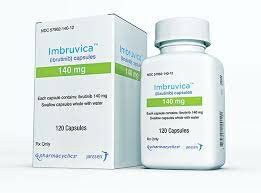
Ibrutinib is mainly used to treat B cell-related malignant tumors, such as chronic lymphocytic leukemia (CLL), small lymphocytic lymphoma (SLL), and Waldenstrom's macroglobulinemia (WM). Osimertinib focuses on the treatment of non-small cell lung cancer (NSCLC), especially patients carrying specific EGFR gene mutations.
3. Dosage: Ibrutinib is available in the form of tablets, capsules or oral suspension, and patients usually only need to take it once a day. Osimertinib is available in tablet form, and patients may need to take it once or twice daily as directed by their doctor.
4. Side effects: Ibrutinib may cause side effects including bleeding, increased risk of infection, fatigue, diarrhea, and musculoskeletal pain, but these symptoms usually ease over time. Common side effects of osimertinib include rash, diarrhea, stomatitis, etc., and it may take patients some time to adapt to these drug reactions.
5. Drug metabolism pathway: Ibrutinib is mainly metabolized by CYP3A enzyme in the liver. Osimertinib is metabolized primarily by the CYP3A enzyme and other enzymes in the liver.
6. Precautions: During the use of ibrutinib, patients need to undergo regular monitoring to check platelet and neutrophil counts, as well as other related indicators. Patients should be closely monitored for liver function and eye condition while taking osimertinib.
In summary, ibrutinib and osimertinib have their own characteristics in the field of anti-cancer drugs, and their differences enable these two drugs to provide personalized treatment options for different cancer types and patient needs. When doctors choose medications, they will comprehensively consider the patient's condition, treatment goals, and drug characteristics to ensure that patients get the best therapeutic effect. At the same time, patients should also use medications regularly under the guidance of doctors, and fully understand and manage possible drug reactions.
[ 免责声明 ] 本页面内容来自公开渠道(如FDA官网、Drugs官网、原研药厂官网等),仅供持有医疗专业资质的人员用于医学药学研究参考,不构成任何治疗建议或药品推荐。所涉药品可能未在中国大陆获批上市,不适用于中国境内销售和使用。如需治疗,请咨询正规医疗机构。本站不提供药品销售或代购服务。


