
.jpeg)
An in-depth analysis of the effects of ibrutinib/ibrutinib on the heart
Ibrutinib/Ibrutinib, a once-daily oral medication, has significantly reshaped the treatment strategy for B-cell malignancies. Its unique mechanism of action - irreversible covalent binding to the C481 site of the BTK kinase domain, makes ibrutinib excellent in inhibiting BTK activity. Multiple clinical studies have confirmed that ibrutinib is more effective than the CD20 antibody ofatumumab in the treatment of relapsed or refractory chronic lymphocytic leukemia (CLL); at the same time, its performance is also better than that of chlorambucil in elderly patients with newly treated CLL or small lymphocytic lymphoma (SLL).
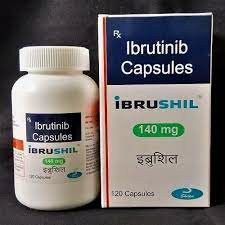
However, it is noteworthy that the use of ibrutinib has been associated with serious and even fatal arrhythmias and heart failure events. In the clinical trial involving 4,896 patients, 1% died from heart-related causes or suffered sudden death from unapproved monotherapy or combination therapies. Importantly, these adverse cardiac events occurred not only in patients with hypertension or cardiac comorbidities, but also in patients without these underlying conditions. In particular, patients with cardiac risk factors, such as hypertension, diabetes, previous cardiac arrhythmias, and patients with acute infections, may be at higher risk for these cardiac events.
Therefore, a thorough baseline assessment of the patient's cardiac history and function is critical before starting ibrutinib. At the same time, patients should be closely monitored for arrhythmias and abnormal cardiac function during treatment. Patients who develop symptoms of arrhythmia (e.g., palpitations, dizziness, syncope, chest pain), new-onset dyspnea, or other cardiovascular problems should immediately undergo further evaluation, such as electrocardiography and echocardiography.
[ 免责声明 ] 本页面内容来自公开渠道(如FDA官网、Drugs官网、原研药厂官网等),仅供持有医疗专业资质的人员用于医学药学研究参考,不构成任何治疗建议或药品推荐。所涉药品可能未在中国大陆获批上市,不适用于中国境内销售和使用。如需治疗,请咨询正规医疗机构。本站不提供药品销售或代购服务。


