
.jpeg)
Which one is more effective, dasatinib (Startax) or nilotinib? What's the difference?
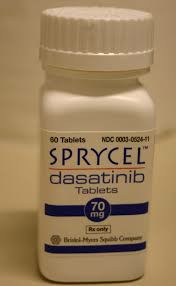
Dasatinib (Dasatinib) and nilotinib (Nilotinib) are two commonly used targeted therapy drugs, mainly used to treat chronic myelogenous leukemia (Imatinib). Although they have similar mechanisms and targets in treating CML, they differ in some aspects, including efficacy, side effects, medication guidelines, etc. A detailed comparison of the two drugs is provided below.
1.Drug mechanism:
Dasatinib (Dasatinib):Dasatinib (Shidasid) is a multi-target inhibitor that blocks the abnormal growth of white blood cells by inhibiting the kinase activity of the BCR-ABL protein. In addition, Dasatinib also inhibits multiple other related kinases, such as SRC family kinases, further interfering with the signaling pathways of white blood cells.
Nilotinib (Nilotinib): Nilotinib is also a BCR-ABL kinase inhibitor, but its inhibitory effect is relatively more selective than dasatinib (Startase) . It mainly inhibits the activity of BCR-ABL protein, thereby blocking the abnormal growth of white blood cells.
2.Pharmaceutical efficacy and clinical efficacy:
Dasatinib (Dasatinib) (Dasatinib): Dasatinib (Dasatinib) has shown good efficacy in clinical studies and achieved satisfactory results in the treatment of CML. It has been shown to have good efficacy in patients who have failed or are resistant to Imatinib treatment.
Nilotinib (Nilotinib): Nilotinib has also shown excellent efficacy in clinical trials, especially in first-line treatment, showing higher tumor regression rates and lower risk of progression compared with Imatinib.
3.Side effects:
Dasatinib (Dasatinib) (Dasatinib ): Common side effects of Dasatinib (Shidarzad) include nausea, vomiting, diarrhea, fatigue, edema, etc. In addition, dasatinib may cause low blood platelets and an increased risk of bleeding, as well as heart problems.
Nilotinib (Nilotinib): Common side effects of Nilotinib include nausea, vomiting, rash, fatigue, headache, etc. Nilotinib may cause a lower risk of heart problems than dasatinib (Startax), but it carries similar risks to other targeted therapies.
4.Medication Guide:
Dasatinib (Dasatinib): In accordance with clinical guidelines, dasatinib is commonly used to treat CML patients, especially those who have failed or are resistant to imatinib therapy, or who are intolerant to nilotinib.
Nilotinib (Nilotinib): Nilotinib is often used in the first-line treatment of CML, especially in those patients who present with higher risk.
When choosing dasatinib (Startase) or nilotinib, doctors usually consider the patient's specific situation, including disease stage, genotype, drug resistance and other factors. At the same time, factors such as drug side effects and cost also need to be comprehensively considered to formulate the most appropriate treatment plan.
To sum up,Dasatinib (Stacer) and nilotinib are both effective drugs for the treatment ofCML, but they differ in some aspects. Patients should choose the most suitable treatment plan under the guidance of their doctor, and pay close attention to the efficacy and side effects of the drug.
[ 免责声明 ] 本页面内容来自公开渠道(如FDA官网、Drugs官网、原研药厂官网等),仅供持有医疗专业资质的人员用于医学药学研究参考,不构成任何治疗建议或药品推荐。所涉药品可能未在中国大陆获批上市,不适用于中国境内销售和使用。如需治疗,请咨询正规医疗机构。本站不提供药品销售或代购服务。


