
.jpeg)
How long does it take to become resistant to clofazimine? How to deal with drug resistance?
Clofazimine (Clofazimine) is an antimicrobial drug used to treat infectious diseases such as leprosy and tuberculosis. Although it has a significant therapeutic effect, long-term use may lead to the development of drug resistance. It is important to understand the mechanisms of resistance to clofazimine and to manage resistance.
Occurrence of clofazimine resistance:
The occurrence of clofazimine resistance mainly involves the following aspects:
1. Long-term use: Long-term use of clofazimine may cause bacteria to become resistant to the drug. Bacteria may gradually adapt to the presence of drugs and develop mechanisms to resist them, thereby reducing their effectiveness.
2. Irregular use: Irregular use of drugs is also one of the important reasons for drug resistance. For example, patients who do not use drugs correctly as prescribed by their doctors, take insufficient or excessive doses of drugs, or fail to complete the full course of treatment may contribute to the development of drug resistance in bacteria.
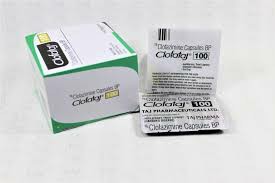
3. Bacterial mutations: Genetic variations in bacteria may cause them to become resistant to drugs. Some bacteria may mutate to produce genes that make them resistant to drugs, allowing them to spread through the population.
4. Cross-resistance: Compared with other antimicrobial drugs, cross-resistance between clofazimine and other drugs may also promote bacterial resistance to drugs.
Strategies for dealing with drug resistance:
1. Drug susceptibility testing: When treating conditions such as drug-resistant tuberculosis, drug susceptibility testing should be performed to determine the susceptibility of the bacteria to clofazimine. Based on the test results, the treatment plan can be adjusted and a more appropriate drug combination selected.
2. Combination therapy: Combination therapy is a common strategy for infectious diseases such as drug-resistant tuberculosis. By using multiple drugs at the same time, you can reduce the risk of bacterial resistance and increase the effectiveness of treatment.
3. Adjust the treatment plan: According to the patient's specific situation and drug sensitivity test results, the treatment plan may need to be adjusted, including changing drugs, adjusting dosage, extending treatment time, etc.
4. Search for alternative drugs: After the development of resistance, it may be necessary to find alternative drugs to replace clofazimine. Other antimicrobials such as rifampicin, bedazodone, etc. may be alternatives.
5. Individualized treatment: In view of the occurrence of drug resistance, the treatment plan should be more individualized and adjusted according to the patient's condition, drug resistance, sensitivity of pathogenic bacteria and other factors to improve the success rate of treatment.
Measures to prevent drug resistance:
1. Standard medication use: Patients should strictly follow the doctor's instructions, use medications correctly, complete the entire treatment on time and in the right amount, and avoid drug abuse and irregular use.
2. Improve the awareness of medical staff and patients: Medical staff and patients should strengthen their awareness and understanding of drug resistance, actively participate in the prevention of drug resistance, and avoid the occurrence of drug resistance.
3. Strengthen monitoring and control: Medical institutions should strengthen monitoring and control of drug resistance, regularly assess the situation of drug resistance, and take timely measures to prevent its spread.
4. Research and develop new drugs: In view of the drug resistance produced by bacteria, scientists should increase the research and development of new drugs and develop more effective antimicrobial drugs to meet the challenge of drug resistance.
In general, the occurrence of clofazimine resistance may affect the efficacy of treatment, so reasonable measures should be taken for prevention and treatment during treatment. Timely drug susceptibility testing, adjustment of treatment regimens, individualized treatment, and strengthening the monitoring and control of drug resistance are the keys to preventing and dealing with drug resistance. At the same time, it is also very important to improve the knowledge and awareness of medical staff and patients and actively participate in the prevention of drug resistance.
[ 免责声明 ] 本页面内容来自公开渠道(如FDA官网、Drugs官网、原研药厂官网等),仅供持有医疗专业资质的人员用于医学药学研究参考,不构成任何治疗建议或药品推荐。所涉药品可能未在中国大陆获批上市,不适用于中国境内销售和使用。如需治疗,请咨询正规医疗机构。本站不提供药品销售或代购服务。


