
.jpeg)
Clofazimine causes skin darkening
Clofazimine (Clofazimine) is a drug widely used to treat infectious diseases such as leprosy and tuberculosis. However, its use may cause skin darkening as a side effect of the drug's metabolism in the body.
1. Drug deposition in skin: Clofazimine is a fat-soluble drug that tends to accumulate in skin and mucosal tissues. As the drug is used in the body, it accumulates in different layers of the skin, causing skin pigmentation.
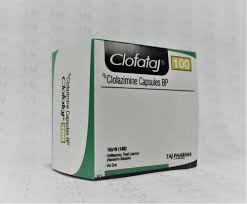
2. Effects of metabolites: Metabolites produced by the metabolism of clofazimine in the body may affect the production and distribution of skin pigments, leading to darkening of the skin.
3. Photosensitivity: Clofazimine may increase the skin's sensitivity to ultraviolet rays, making the skin more susceptible to the effects of sunlight and further aggravating skin pigmentation.
4. Effects on pigment production: Clofazimine may affect the pathway of skin pigment production, leading to aggravation or uneven pigmentation, making the skin appear blue-gray or brown spots.
To sum up, the main reason why clofazimine causes skin darkening is the side effects caused by the drug's metabolism in the body, including the deposition of the drug in the skin, the impact of metabolites, photosensitivity, and the impact of pigment production. In order to reduce the phenomenon of skin darkening, patients can take a series of measures, such as avoiding sun exposure, using sunscreen, and keeping the skin clean and moisturized. If necessary, consult your doctor for more specific treatment recommendations.
[ 免责声明 ] 本页面内容来自公开渠道(如FDA官网、Drugs官网、原研药厂官网等),仅供持有医疗专业资质的人员用于医学药学研究参考,不构成任何治疗建议或药品推荐。所涉药品可能未在中国大陆获批上市,不适用于中国境内销售和使用。如需治疗,请咨询正规医疗机构。本站不提供药品销售或代购服务。


