
.jpeg)
Can I take neratinib (neratinib) after dual-target therapy?
Dual-target therapy usually refers to the simultaneous use of two or more targeted drugs to attack multiple growth pathways or molecular targets of tumors to enhance the therapeutic effect. For patients with breast cancer, dual-target therapies often include combinations of different targets that inhibitHER2receptors to increase the success rate of treatment.
Whether you can take neratinib (Neratinib) after receiving dual-target therapy needs to be decided based on the patient's specific situation and the doctor's advice. In general, neratinib (neratinib) may be used as a follow-up option in breast cancer treatment, especially for patients whose cancer has come back or progressed despite other treatments.
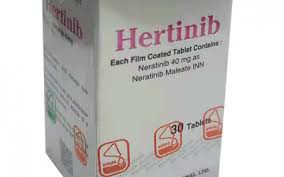
In patients who have received dual-target therapy, there may be circumstances where the introduction of neratinib (neratinib) should be considered in the treatment regimen. For example, if a patient continues to have signs of HER2positive breast cancer or the disease has come back after dual-target therapy, neratinib (neratinib) may be considered an effective treatment option. In addition, if patients are intolerant or resistant to other treatments, such as trastuzumab or pertuzumab, neratinib may also be considered as an alternative.
However, treatment decisions should be individualized for each patient, taking into account the patient's disease characteristics, treatment history, health status, and possible risk of adverse effects. Therefore, if patients are considering whether they should take neratinib, it is recommended that they have an in-depth discussion with their healthcare team to ensure that the treatment decision they make is the most appropriate one.
After deciding to use neratinib (neratinib) as a treatment plan, patients need to receive regular monitoring and evaluation from doctors to monitor the efficacy and adverse reactions of the treatment and make adjustments as needed. As with any medical treatment, use of neratinib may result in adverse effects, including gastrointestinal problems, skin reactions, fatigue, etc., so monitoring and management during treatment is crucial.
[ 免责声明 ] 本页面内容来自公开渠道(如FDA官网、Drugs官网、原研药厂官网等),仅供持有医疗专业资质的人员用于医学药学研究参考,不构成任何治疗建议或药品推荐。所涉药品可能未在中国大陆获批上市,不适用于中国境内销售和使用。如需治疗,请咨询正规医疗机构。本站不提供药品销售或代购服务。


