
.jpeg)
Instructions for taking neratinib
1. Drug introduction:
Neratinib (Neratinib) is an oral targeted drug used to treat HER2-positive breast cancer. It blocks the growth and spread of tumor cells by inhibiting the activity of HER2 and other related receptors, thereby reducing the progression and recurrence of cancer.
2. Dosage and usage:
1. Dosage: Patients should take neratinib (neratinib) exactly as directed by their doctor. Dosage and usage may vary depending on individual circumstances. The usual recommended dose is 240 mg taken orally once daily for one year.
2. How to take: Take with food and swallow the tablet whole with a glass of warm water. The medicine should be taken whole and avoid chewing or crushing.
3. Drug storage:
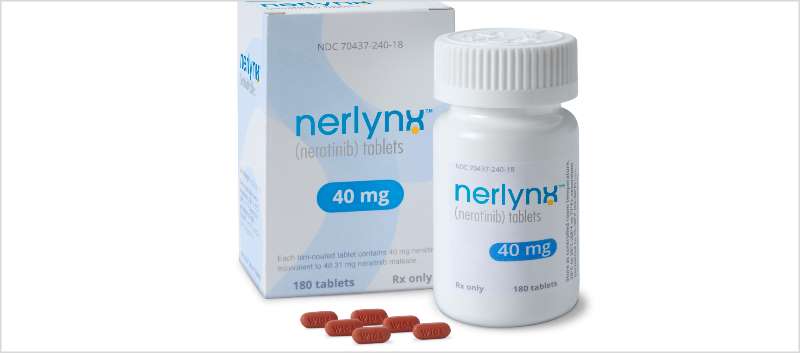
Storage Conditions: Neratinib (neratinib) should be stored at room temperature, away from light and moisture, in the original packaging, and out of the reach of children.
4. Interactions between diet and drugs:
1. Diet: While takingneratinib , avoid eating grapefruit or its products because its ingredients may affect the metabolism of the drug.
2. Drug Interactions: While using neratinib , patients should inform their doctor about other drugs they are taking, including prescription drugs, over-the-counter drugs, and supplements, to avoid possible drug interactions.
5. Missing dose:
Missed dose: If a patient forgets to take a dose of neratinib , it should be refilled as soon as the patient realizes that the dose has been missed. If it is less than12 hours before your next dose, you can take it as soon as you realize you have missed it. If the next dose is less than12 hours away, skip the missed dose and wait until the next dose is due.
6. Adverse reactions:
1. Common adverse reactions: Neratinib (neratinib) may cause some common adverse reactions, including but not limited to diarrhea, nausea, vomiting, rash, fatigue, etc. If any adverse reactions occur, patients should report them to their doctor immediately.
2. Serious adverse reactions: During the use of neratinib (neratinib) , patients should pay close attention to any serious adverse reactions, such as severe rash, difficulty breathing, chest pain, etc. If these symptoms occur, they should seek medical treatment immediately.
7. Monitoring during treatment:
Medical monitoring: While taking neratinib , patients should receive regular monitoring and evaluation by their doctors to ensure the efficacy of treatment and the effective management of adverse reactions. Regular medical monitoring helps evaluate the effect of drugs on tumors and monitor the patient's physical condition to adjust treatment plans in a timely manner.
8. Summary:
Neratinib (neratinib) is an important targeted drug that has significant therapeutic effects on HER2 positive breast cancer patients. However, patients need to pay close attention to their doctor's advice while taking neratinib (neratinib), strictly follow the dosage and usage of the drug, and report any adverse reactions in a timely manner. With rational medication and good medical monitoring, neratinib (neratinib) can help patients better manage breast cancer and improve their quality of life.
Please note that the above content is only a general guide, and the specific taking methods and precautions should be based on the patient's individual situation and the doctor's recommendations. If patients have any questions or concerns, they should seek prompt help and advice from a medical professional.
[ 免责声明 ] 本页面内容来自公开渠道(如FDA官网、Drugs官网、原研药厂官网等),仅供持有医疗专业资质的人员用于医学药学研究参考,不构成任何治疗建议或药品推荐。所涉药品可能未在中国大陆获批上市,不适用于中国境内销售和使用。如需治疗,请咨询正规医疗机构。本站不提供药品销售或代购服务。


