
.jpeg)
How long does it take to become resistant to neratinib?
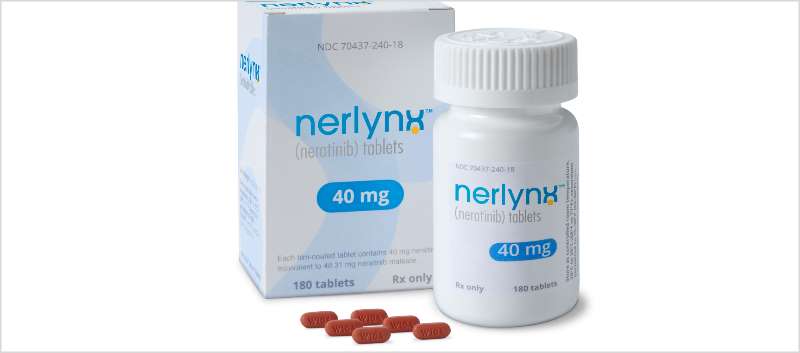
Neratinib (Neratinib) is a targeted therapy used to treat HER2-positive breast cancer. Althoughneratinibis an effective treatment option for many patients, over time some patients may develop resistance, in which the drug no longer has the desired effect on their tumors. Aboutneratinib (neratinib)The timing and mechanisms of resistance are still under investigation and there are no definite answers. However, the following are some general points related to neratinib resistance:
1.Changes in resistance time: For different patients, the resistance time to neratinib (neratinib) may be different. Some patients may develop resistance within months, while others may benefit from treatment for a longer period of time before developing resistance years later.
2.Genetic variation in tumors: One possible resistance mechanism involves genetic variation in tumor cells. During the course of treatment with neratinib (neratinib), tumor cells may mutate, making them less sensitive to the drug and thus weakening the drug's efficacy.
3. Compensatory mechanisms of pathways: Another possible resistance mechanism involves tumor cells using other pathways to bypass the inhibitory effects of neratinib (neratinib). For example, tumor cells may increase expression of other growth factor receptors, thereby promoting cell growth and survival and reducing dependence on HER2 inhibition.
4.Influence of the tumor microenvironment: Factors in the tumor microenvironment may also affect the resistance to neratinib (neratinib) . For example, immune cells and other cell types in the tumor microenvironment may influence the tumor's response to treatment and thus influence the development of drug resistance.
5.Individual differences: Each patient's situation is unique and therefore the response to resistance to neratinib will also vary. Some patients may have a durable response to treatment, while others may develop resistance more quickly.
In general, resistance to neratinib is a complex problem, and its occurrence time and mechanism may vary depending on factors such as individual patient differences, tumor type, and treatment regimen. Although some patients may develop resistance in the early stages of treatment, others may be able to benefit from treatment for a longer period of time. Therefore, it is crucial to closely monitor patients' disease progression and drug response in order to adjust treatment regimens if necessary and explore other treatment options.
[ 免责声明 ] 本页面内容来自公开渠道(如FDA官网、Drugs官网、原研药厂官网等),仅供持有医疗专业资质的人员用于医学药学研究参考,不构成任何治疗建议或药品推荐。所涉药品可能未在中国大陆获批上市,不适用于中国境内销售和使用。如需治疗,请咨询正规医疗机构。本站不提供药品销售或代购服务。


