
.jpeg)
What should I do if I develop drug resistance after taking ibrutinib/ibrutinib?
Ibrutinib/Ibrutinib, as an oral small molecule targeted drug, plays an important role in the treatment of B-cell malignancies, especially for diseases such as chronic lymphocytic leukemia (CLL)/small lymphocytic lymphoma (SLL), Waldenstrom's macroglobulinemia (WM) and chronic graft-versus-host disease (cGVHD). However, as treatment time goes by, some patients may develop resistance to ibrutinib, which undoubtedly increases the complexity of treatment. Therefore, effective management of ibrutinib resistance has become the focus of current clinical attention.
The development of ibrutinib resistance is a multi-factor and multi-mechanical process, involving gene mutations, changes in drug metabolism pathways, and adaptive adjustments of the tumor microenvironment. To address this challenge, we need to adopt a comprehensive drug resistance management strategy. First, it is crucial to develop an individualized treatment plan based on the patient's genetic background and disease characteristics. By deeply understanding a patient's genomic information, we can predict potential drug resistance risks and select more appropriate drug combinations or treatment pathways.
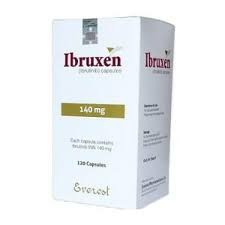
Secondly, regular efficacy monitoring and drug resistance assessment are indispensable links. By regularly detecting tumor markers and gene mutations in patient blood samples, we can detect signs of drug resistance in a timely manner, thereby adjusting treatment strategies and ensuring the effectiveness of treatment. Combination treatment strategies show broad application prospects in overcoming ibrutinib resistance. By combining ibrutinib with other chemotherapy drugs, antibody drugs or new targeted therapeutic drugs, we can achieve multi-pathway and multi-target synergistic attack, thereby improving the therapeutic effect and delaying the occurrence of drug resistance.
In summary, the treatment of ibrutinib resistance needs to comprehensively consider factors such as the patient's genetic background, disease characteristics, and existing treatments. By formulating individualized treatment plans, regular efficacy monitoring and resistance assessment, adopting combination treatment strategies, and exploring new resistance management methods, we can better cope with the challenge of ibrutinib resistance and provide patients with more effective and safer treatment options.
[ 免责声明 ] 本页面内容来自公开渠道(如FDA官网、Drugs官网、原研药厂官网等),仅供持有医疗专业资质的人员用于医学药学研究参考,不构成任何治疗建议或药品推荐。所涉药品可能未在中国大陆获批上市,不适用于中国境内销售和使用。如需治疗,请咨询正规医疗机构。本站不提供药品销售或代购服务。


