
.jpeg)
The efficacy of ibrutinib/ibrutinib
In a study of 391 patients with chronic lymphocytic leukemia (CLL) whose disease had failed to respond to or relapsed from previous treatments, 66% of patients who received ibrutinib were still alive with their disease progression-free after one year, compared with about 6% of patients who received ofatumumab, another cancer drug. In a study involving 269 previously untreated patients, about 90% of those who received ibrutinib were alive after 1.5 years of treatment, while about 52% of those who received chlorambucil had no progression.
In a study of 578 patients with CLL whose disease did not respond or relapse after prior treatment, 19% of patients who took ibrutinib and the cancer drugs bendamustine and rituximab died or showed signs of cancer progression, compared with 63% of those who took bendamustine and rituximab but not ibrutinib. In a study of 229 previously untreated patients, 79% of those who received ibrutinib and obinutuzumab were alive without disease progression after 31 months, compared with 36% of those who received chlorambucil and obinutuzumab.
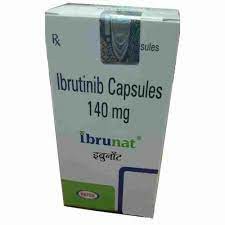
In another study of 529 patients with previously untreated CLL, about 12% of patients who received ibrutinib and rituximab had their disease worsened or died after 3 years, compared with 25% of patients who received chemotherapy plus rituximab. In a study involving 211 previously untreated patients, after 28 months, 21% of patients taking ibrutinib and venetoclax had death or signs of cancer progression, compared with 64% of patients taking chlorambucil and obinutuzumab. Another study involving 159 previously untreated patients showed that 55% of patients treated with ibrutinib plus venetoclax had a complete response (meaning the disappearance of all signs of cancer).
In a study of 111 patients with mantle cell lymphoma (MCL) who had failed to respond to or relapsed from previous treatments, 21% of patients taking ibrutinib had a complete response and 47% had a partial response (meaning the patient got better but some signs of the disease remained). The average duration of treatment response was 17.5 months. Another study in 280 such patients compared ibrutinib to another cancer drug, temsirolimus. The average time before death or disease progression was 15 months in the ibrutinib group compared with 6 months in the temsirolimus group.
In a major study, 63 patients with Waldenstrom's macroglobulinemia (WM) who had previously received another treatment were treated with ibrutinib, and 87% of the patients responded to the disease. Response to treatment is measured by a decrease in blood levels of the IgM protein, which is higher in patients with Wadenstrom's disease. In a study of 150 patients with Waldenströ's macroglobulinemia, 19% of patients taking ibrutinib plus rituximab died or showed signs of cancer progression after 26 months, compared with 56% of those taking rituximab alone.
[ 免责声明 ] 本页面内容来自公开渠道(如FDA官网、Drugs官网、原研药厂官网等),仅供持有医疗专业资质的人员用于医学药学研究参考,不构成任何治疗建议或药品推荐。所涉药品可能未在中国大陆获批上市,不适用于中国境内销售和使用。如需治疗,请咨询正规医疗机构。本站不提供药品销售或代购服务。


