
.jpeg)
Introduction to ibrutinib/ibrutinib
Ibrutinib/Ibrutinib is an oral targeted therapy drug mainly used to treat certain types of hematological malignancies, especially chronic lymphocytic leukemia (CLL)/small lymphocytic lymphoma (SLL), Waldenstrom's macroglobulinemia (WM) and chronic graft-versus-host disease (cGVHD). It belongs to a class of drugs called Bruton's tyrosine kinase (BTK) inhibitors.
The main mechanism of action of ibrutinib is to block signal transduction by inhibitingBTK activity, thereby interfering with the proliferation and survival of cancer cells. BTK is a key protein for the development and function of B cells, and certain types of malignant tumors are related to B cells, so inhibiting BTK can effectively control the growth of these cancer cells.
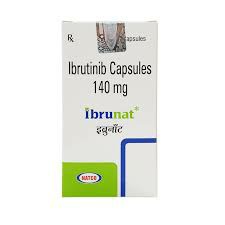
Ibrutinib has good oral bioavailability, meaning it can be rapidly absorbed and reach therapeutic concentrations after oral administration. Clinical trials have shown that ibrutinib has significant efficacy in treatment. It can slow down the progression of the disease and improve patient survival rates. Clinical studies in stage I and stage II relapsed/refractory CLL have shown that the overall response rate is approximately 71%. For relapsed/refractory mantle cell lymphoma, approximately 70% of patients tested experienced partial or complete responses. In clinical trials for relapsed/refractory diffuse large B-cell lymphoma, partial responses were observed in 15-20% of patients; for patients with relapsed/refractory Waldenstrom's macroglobulinemia, partial responses were observed in more than 75% of patients. Finally, for patients with relapsed/refractory follicular lymphoma, approximately 54% achieved partial to complete responses.
Ibrutinib is usually taken regularly every day as part of a long-term treatment regimen. While you are taking ibrutinib, your doctor will perform regular checkups to monitor its effectiveness and side effects. In general, ibrutinib has relatively mild side effects and is well tolerated by most patients. Common adverse reactions in patients with B-cell malignancies (CLL/SLL and WM) include thrombocytopenia, diarrhea, fatigue, musculoskeletal pain, neutropenia, rash, anemia, bruising and nausea. Common adverse reactions in adults or children with cGVHD include fatigue, anemia, bruising, diarrhea, thrombocytopenia, musculoskeletal pain, pyrexia, muscle spasms, stomatitis, bleeding, nausea, abdominal pain, pneumonia, and headache.
Ibrutinib is associated with the following warnings and precautions: bleeding; infection; cardiac arrhythmias, heart failure, and sudden death; hypertension; cytopenias; second primary malignancy; tumor lysis syndrome (TLS); and embryo-fetal toxicity.
However, ibrutinib is not suitable for all patients. Before using this drug, doctors will evaluate a patient's condition and health to determine if ibrutinib is a suitable treatment option. Additionally, ibrutinib should not be used with certain other medications, so patients should inform their doctor about all medications they are taking before using ibrutinib.
Overall, ibrutinib is an oral targeted therapy with good efficacy and is suitable for certain types of hematological malignancies. However, you should consult your doctor before using ibrutinib to ensure safe and effective treatment.
[ 免责声明 ] 本页面内容来自公开渠道(如FDA官网、Drugs官网、原研药厂官网等),仅供持有医疗专业资质的人员用于医学药学研究参考,不构成任何治疗建议或药品推荐。所涉药品可能未在中国大陆获批上市,不适用于中国境内销售和使用。如需治疗,请咨询正规医疗机构。本站不提供药品销售或代购服务。


