
.jpeg)
Adverse reactions and side effects treatment of giritinib
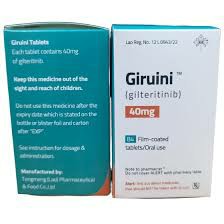
Gilitinib is a targeted drug used to treat certain types of acute myeloid leukemia (AML). Although it has made significant progress in the treatment of AML, it may also cause some adverse reactions and side effects during use. The following is a detailed introduction to common adverse reactions and side effects treatment of giritinib:
1.Adverse reactions to the digestive system: Including nausea, vomiting, diarrhea, stomach discomfort, etc. These adverse effects may affect a patient's quality of life, but are usually mild to moderate and tend to lessen or disappear during treatment. Patients can reduce these symptoms by taking measures such as eating in portions, avoiding greasy foods, and using antiemetic medications.
2.Fatigue: During treatment with geritinib, patients may experience fatigue, fatigue, or weakness. This may affect the patient's daily activities and productivity. Patients should try to maintain adequate sleep, reasonable rest periods and appropriate exercise to relieve fatigue.
3.Skin reactions: Including rash, itching, dryness and other skin discomfort symptoms. Patients should keep their skin clean and moisturized during treatment and avoid using irritating cosmetics and skin care products. If serious skin reactions occur, report them to your doctor immediately.
4.Cardiovascular system adverse reactions: Including arrhythmia, palpitations and other symptoms. During treatment, patients should regularly monitor electrocardiogram and heart function, and pay attention to whether symptoms such as palpitations and shortness of breath occur. If adverse reactions to the cardiovascular system occur, you should seek medical treatment promptly and accept the doctor's guidance.
5.Abnormal liver function: During treatment with giritinib, patients may develop abnormal liver function, such as elevated transaminases. Therefore, patients should have regular liver function tests and avoid drinking alcohol and using drugs that may cause damage to the liver.
6.Myelosuppression: Myelosuppression, including leukopenia, thrombocytopenia, and anemia, may occur during giritinib treatment. Patients should have regular blood tests, closely monitor blood indicators, avoid infection and trauma, and follow the doctor's recommendations.
7.Other adverse reactions: There are also some other less common adverse reactions, such as headache, insomnia, visual impairment, etc. If these adverse reactions occur, patients should report to the doctor in time and accept the doctor's guidance and treatment.
When dealing with adverse reactions of giritinib, patients should actively cooperate with the doctor’s guidance and strictly abide by the following principles:
1.Report adverse reactions to your doctor promptly and describe the nature, duration and intensity of symptoms in detail.
2.Follow the doctor’s treatment recommendations, including adjusting drug dosage, suspending or continuing medication, etc.
3.Maintaining a good lifestyle, including a reasonable diet, adequate sleep, moderate exercise, etc., can help reduce the occurrence of adverse reactions and relieve symptoms.
4.Maintain a good attitude during treatment, actively respond to adverse reactions, and maintain communication with doctors and family members.
In short, giritinib treatmentAML may cause a series of adverse reactions and side effects, but patients can reduce symptoms and improve the effect of treatment through reasonable treatment and doctor's guidance. Timely monitoring, active treatment, and a good lifestyle are crucial to mitigate adverse effects and improve patients' quality of life.
[ 免责声明 ] 本页面内容来自公开渠道(如FDA官网、Drugs官网、原研药厂官网等),仅供持有医疗专业资质的人员用于医学药学研究参考,不构成任何治疗建议或药品推荐。所涉药品可能未在中国大陆获批上市,不适用于中国境内销售和使用。如需治疗,请咨询正规医疗机构。本站不提供药品销售或代购服务。


