
.jpeg)
The efficacy and side effects of dacomitinib/dacomitinib
Dacomitinib/Dacomitinib (Dacomitinib) is an oral anti-tumor drug that is a tyrosine kinase inhibitor. It is mainly used to treat non-small cell lung cancer (NSCLC). Dacomitinib works by inhibiting a specific tyrosine kinase receptor (EGFR) on the surface of tumor cells. EGFR is a protein involved in cell growth and differentiation, and its abnormal activation is related to the development and spread of tumors. Dacomitinib can block the activation of EGFR, thereby inhibiting the growth and division of tumor cells and reducing the spread and metastasis of tumors.
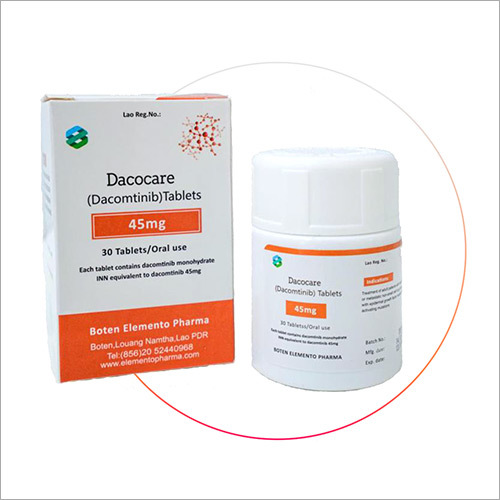
Dacomitinib has shown therapeutic efficacy againstNSCLC in clinical trials. It can extend patients' progression-free survival (PFS), reduce tumor size, and improve patients' quality of life. Compared with traditional chemotherapy regimens, dacomitinib also shows better efficacy in first-line treatment. In a major study involving 452 patients with EGFR mutations, those taking dacomitinib lived an average of about 15 months without disease progression, while those taking gefitinib lived an average of nine months.
However, dacomitinib also has some side effects. Common side effects include diarrhea, rash, stomatitis (inflammation of the lining of the mouth), nail abnormalities, dry skin, loss of appetite, conjunctivitis (eye redness and discomfort), weight and hair loss, itching, elevated transaminase levels (a sign of liver problems), and nausea (feeling sick). Most of these side effects are mild to moderate and can be relieved by medication or dose adjustment. Dacomitinib can also cause serious side effects, such as diarrhea, interstitial lung disease (a condition that causes scarring of the lungs), rash, and loss of appetite.
[ 免责声明 ] 本页面内容来自公开渠道(如FDA官网、Drugs官网、原研药厂官网等),仅供持有医疗专业资质的人员用于医学药学研究参考,不构成任何治疗建议或药品推荐。所涉药品可能未在中国大陆获批上市,不适用于中国境内销售和使用。如需治疗,请咨询正规医疗机构。本站不提供药品销售或代购服务。


