
.jpeg)
In-depth analysis of the efficacy and functions of dacomitinib/dacomitinib
Dacomitinib/Dacomitinib (Dacomitinib) is an oral tyrosine kinase inhibitor mainly used to treat non-small cell lung cancer (NSCLC). Its mechanism of action is by inhibiting the activity of epidermal growth factor receptor (EGFR) on tumor cells and blocking the signal transduction of the EGFR pathway, thereby inhibiting the growth and proliferation of tumor cells. It was approved by the U.S. Food and Drug Administration (FDA) for the first-line treatment of patients with metastatic non-small cell lung cancer who have EGFR exon 19 deletions or exon 21 L858R substitution mutations.
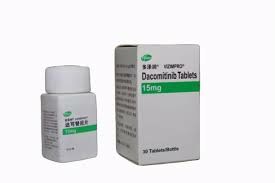
Approval of dacomitinib was based on a randomized, multicenter, open-label, active-controlled trial that demonstrated the safety and efficacy of dacomitinib compared with gefitinib in 452 patients with unresectable and metastatic non-small cell lung cancer. In addition, dacomitinib has also shown certain efficacy in first-line treatmentPatients with advanced NSCLC who are negative for EGFR mutations. Dacomitinib represents a powerful new treatment option compared with first-generation EGFR-TKIs.
The efficacy of dacomitinib is mainly attributed to its highly selective inhibition ofEGFR, which makes it one of the first-line options for the treatment of EGFR mutations. In addition, due to its oral administration method, patients can easily take it at home, making the treatment process more convenient. However, dacomitinib also has some side effects, such as diarrhea, rash, stomatitis, etc., which require close monitoring and management during treatment. In addition, due to its highly selective inhibition of EGFR, patients may develop drug resistance during long-term use, requiring continuous clinical monitoring and adjustment of treatment plans.
[ 免责声明 ] 本页面内容来自公开渠道(如FDA官网、Drugs官网、原研药厂官网等),仅供持有医疗专业资质的人员用于医学药学研究参考,不构成任何治疗建议或药品推荐。所涉药品可能未在中国大陆获批上市,不适用于中国境内销售和使用。如需治疗,请咨询正规医疗机构。本站不提供药品销售或代购服务。


