
.jpeg)
Detailed explanation of the therapeutic range of dacomitinib/dacomitinib tablets
Dacomitinib (Dacomitinib) is an approved treatment for locally advanced or metastatic non-small cell lung cancer. The drug is particularly useful in adult patients whose tumor tissue contains specific mutations that accelerate tumor growth. In cases of non-small cell lung cancer, some patients' tumors contain an abnormal protein called epidermal growth factor receptor (EGFR). When this receptor mutates, it can trigger the uncontrolled growth of tumors. These mutations come in many forms, such as L858R or del19, among others. The main function of dacomitinib is to block these mutated receptors, thereby inhibiting further expansion of tumors.
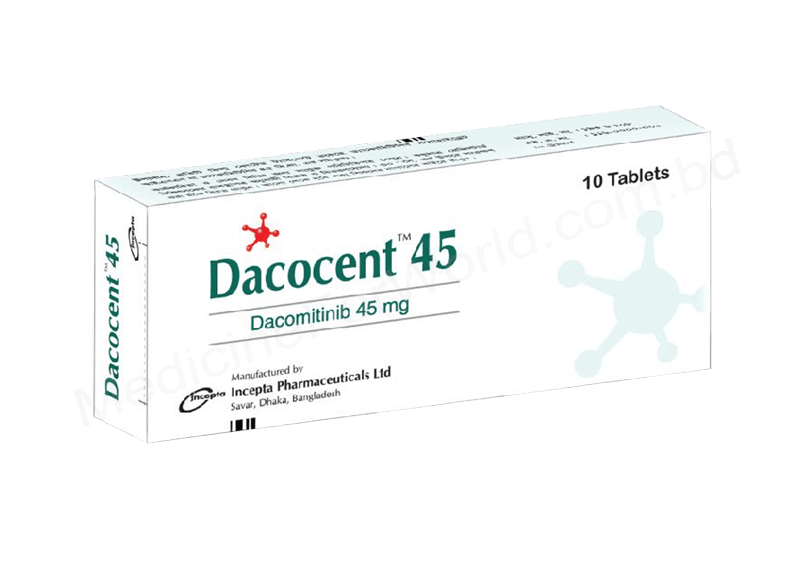
Preclinical trial data revealed that dacomitinib can significantly enhance the inhibitory effect on the epidermal growth factor receptor kinase domain and produce significant activity against those cell lines containing drug-resistant mutations (such asT790M). This activity further significantly reduces the phosphorylation level of EGFR and cell viability. In these studies, the researchers used a non-small cell lung cancer cell line harboring the L858R/T790M double mutation and observed an IC50 value of approximately 280 nmol/L.
Since its launch, dacomitinib has been primarily available to patients in tablet form. The original drug is available in three different dosage options: 15 mg, 30 mg and 45 mg. The current recommended daily dose is 45 mg per day, and it is recommended to take it at the same time every day to ensure stable blood levels. If side effects occur during treatment, your doctor may adjust the dosage. However, if very serious side effects occur or the cancer progresses, treatment may be suspended or stopped.
[ 免责声明 ] 本页面内容来自公开渠道(如FDA官网、Drugs官网、原研药厂官网等),仅供持有医疗专业资质的人员用于医学药学研究参考,不构成任何治疗建议或药品推荐。所涉药品可能未在中国大陆获批上市,不适用于中国境内销售和使用。如需治疗,请咨询正规医疗机构。本站不提供药品销售或代购服务。


