
.jpeg)
Will leukemia relapse after treatment with giritinib?
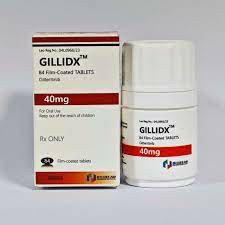
Gilitinib (Gilteritinib), as a targeted therapy, is widely used to treat FLT3 mutation-positive acute myeloid leukemia (AML), especially for relapsed or refractory AML patients. Although giritinib can effectively control the disease in some patients, there is still a risk of relapse after treatment. Here are some considerations about whether leukemia will relapse with giritinib:
1.Overcoming drug resistance: SomeAML patients may develop drug resistance or drug failure after receiving giritinib treatment. This may be due to an adaptation or mutation of the leukemia cells to the drug. In this case, the patient's leukemia may relapse.
2.Duration of treatment: In some patients, the effectiveness of giritinib treatment may diminish over time. Although good responses may be achieved early in treatment, some patients may have leukemia re-progress and relapse as treatment continues.
3.Risk factors for disease recurrence: In addition to factors that may be caused by the treatment itself, some patients may also have other risk factors that increase the possibility of leukemia recurrence. These risk factors include patient age, molecular characteristics of the disease, pathological type, etc.
4.Monitoring and follow-up: Continuous monitoring and follow-up are crucial for AML patients treated with geritinib. Through regular blood tests, bone marrow aspiration and other clinical evaluations, changes in the condition and signs of recurrence can be detected in a timely manner.
5.Treatment options after relapse: For patients whose leukemia relapses, doctors may need to re-evaluate the treatment plan and consider other treatment options, such as hematopoietic stem cell transplantation, other targeted therapy drugs, or chemotherapy. Choosing an appropriate treatment plan requires comprehensive consideration of factors such as the patient's condition, treatment history, and prognosis.
Overall, although giritinib as a targeted therapy can effectively control the disease in many AML patients, there is still a risk of relapse. Continuous monitoring and follow-up as well as timely adjustment of treatment plans are key to delay the recurrence of the disease to the greatest extent and improve the patient's survival rate and quality of life.
[ 免责声明 ] 本页面内容来自公开渠道(如FDA官网、Drugs官网、原研药厂官网等),仅供持有医疗专业资质的人员用于医学药学研究参考,不构成任何治疗建议或药品推荐。所涉药品可能未在中国大陆获批上市,不适用于中国境内销售和使用。如需治疗,请咨询正规医疗机构。本站不提供药品销售或代购服务。


