
.jpeg)
Brigatinib/Brigatinib: a drug that treats what condition
Brigatinib is an oral therapy specifically indicated for the treatment of adults with anaplastic lymphoma kinase (ALK)-positive metastatic non-small cell lung cancer (NSCLC). Gene mutations play a key role in the complex evolution of cancer. These mutations allow abnormal cells to grow and replicate uncontrollably, prevent them from functioning normally, and inhibit the growth and activity of healthy cells. The emergence of brigatinib provides a new weapon to fight against such abnormal cells.
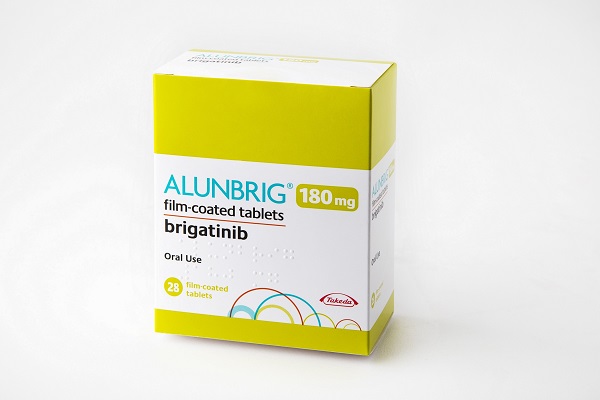
As a small molecule targeted therapy drug, brigatinib does not directly kill cancer cells, but precisely targets abnormal cells and interferes with their cellular mechanisms to prevent the growth and spread of cancer. The core mechanism of action of brigatinib is to inhibit the activity of a series of tyrosine kinases. Among these kinases, the abnormalALK fusion protein is particularly critical. Due to certain genetic mutations, these proteins can lose control and drive the growth and proliferation of cancer cells.
When the ALK gene is abnormal, ALK fusion protein will be produced, which will change cell signaling and gene expression, thereby leading to the proliferation and survival of tumor cells. Brigatinib achieves its therapeutic purpose by inhibiting the activity of ALK and its downstream signaling protein STAT3. Brigatinib can precisely target cancer cells expressing ALK fusion proteins, including EML4-ALK and other mutated forms associated with resistance to multiple ALK inhibitors.
Overall, brigatinib/Brigatinib, as an innovative therapeutic drug, provides a new treatment option for patients with ALK-positive metastatic non-small cell lung cancer. Its precise intervention at the level of cellular mechanisms opens up a new way to fight cancer.
[ 免责声明 ] 本页面内容来自公开渠道(如FDA官网、Drugs官网、原研药厂官网等),仅供持有医疗专业资质的人员用于医学药学研究参考,不构成任何治疗建议或药品推荐。所涉药品可能未在中国大陆获批上市,不适用于中国境内销售和使用。如需治疗,请咨询正规医疗机构。本站不提供药品销售或代购服务。


