
.jpeg)
What to do after resistance to dacomitinib/dacomitinib
Dacomitinib/Dacomitinib (Dacomitinib) is a targeted therapy for non-small cell lung cancer. It targets epidermal growth factor receptor (EGFR) mutations and exerts a therapeutic effect by inhibiting the growth and spread of tumor cells. However, like many other anticancer drugs, dacomitinib may face resistance issues. When a patient develops resistance to dacomitinib, it means the drug is no longer effective in controlling tumor growth. This is usually due to genetic mutations or changes in signaling pathways in tumor cells, resulting in the drug no longer being able to bind to its target or inhibit tumor cell proliferation.
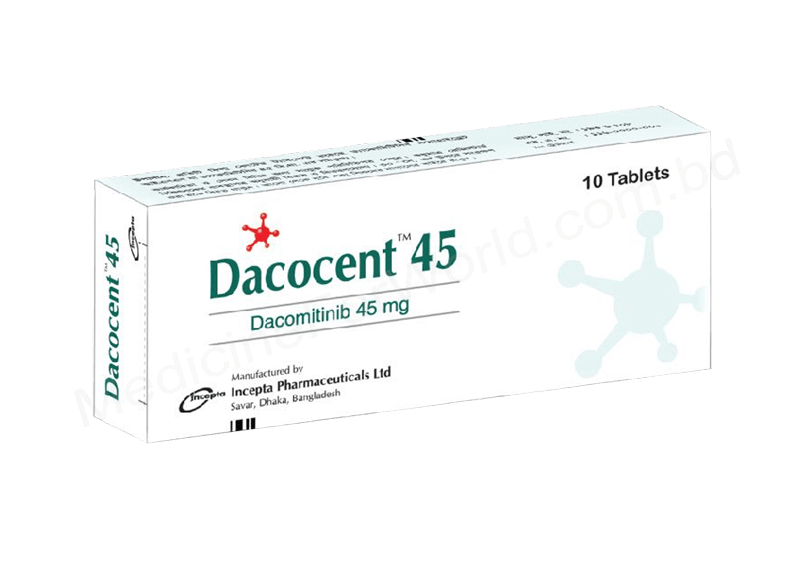
In the face of dacomitinib resistance, in-depth communication and discussion with the doctor is first required. The doctor will develop a personalized treatment plan based on the patient's specific situation. Doctors may consider switching to another EGFR inhibitor or other type of cancer drug to find one that is still effective against the patient's tumor. For patients with locally advanced or metastatic non-small cell lung cancer with EGFR mutations L858R or del19, the drugs afatinib, gefitinib, or erlotinib are treatment options. For patients with different EGFR mutations, individualized treatment is an option. This treatment is tailored by the doctor to individual circumstances. Medical treatment options include afatinib, cisplatin, or carboplatin.
Participation in clinical trials targeting drug resistance may be an option worth considering. These trials often explore new treatments or drug combinations that may lead to new treatment opportunities for patients. In the face of dacomitinib resistance, patients should maintain a positive attitude and conduct appropriate pain management, nutritional support, and psychological support to provide strong support for the treatment process.
[ 免责声明 ] 本页面内容来自公开渠道(如FDA官网、Drugs官网、原研药厂官网等),仅供持有医疗专业资质的人员用于医学药学研究参考,不构成任何治疗建议或药品推荐。所涉药品可能未在中国大陆获批上市,不适用于中国境内销售和使用。如需治疗,请咨询正规医疗机构。本站不提供药品销售或代购服务。


