
.jpeg)
Can Vigabatrin (vigabatrin) cause blindness?
Vigabatrin (Vigabatrin) is a drug used to treat epilepsy, however, its use may be associated with a risk of vision problems and even blindness. This visual impairment is called Vigabatrin (vigabatrin)-related optic neuropathy (Vigabatrin-Induced Visual Field Defects), which is mainly manifested as visual field defects, especially damage to the central visual field, while the peripheral visual field is relatively preserved. This visual field defect may cause patients to have visual impairments in daily life, such as difficulty seeing objects clearly, difficulty reading, etc. In severe cases, it may even lead to blindness.
The exact mechanism by which Vigabatrin (vigabatrin) causes optic neuropathy is unknown, but research suggests it may be related to Vigabatrin (vigabatrin) 's effect on the neurotransmitter γ-aminobutyric acid (GABA). Vigabatrin (vigabatrin)increases the level of GABA by inhibiting GABA aminotransferase, thereby inhibiting the excitability of neurons, thereby achieving anti-epileptic effects. However, this effect may cause damage or changes to optic nerve cells, causing visual problems.
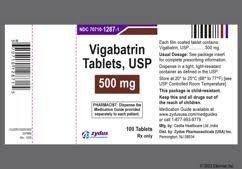
It should be emphasized that Vigabatrin (vigabatrin)related optic neuropathy does not occur in all patients, and its incidence depends on a variety of factors, including drug dosage, treatment duration, and individual patient differences. In general, patients who use vigabatrin (vigabatrin) at high doses and for long periods of time are more likely to develop optic neuropathy.
To reduce the risk of optic neuropathy associated with Vigabatrin (vigabatrin), doctors typically evaluate patients' vision when starting treatment and perform regular vision monitoring. If vision problems or visual field defects are found, your doctor may consider reducing the dose of the medication or discontinuing Vigabatrin (vigabatrin) and considering other alternative treatments.
In general, althoughVigabatrin (vigabatrin) is an effective anti-epileptic drug, patients should pay close attention to possible vision problems during use, communicate with their doctors in a timely manner, and receive regular vision monitoring to reduce the risk of optic neuropathy and protect vision health.
[ 免责声明 ] 本页面内容来自公开渠道(如FDA官网、Drugs官网、原研药厂官网等),仅供持有医疗专业资质的人员用于医学药学研究参考,不构成任何治疗建议或药品推荐。所涉药品可能未在中国大陆获批上市,不适用于中国境内销售和使用。如需治疗,请咨询正规医疗机构。本站不提供药品销售或代购服务。


