
.jpeg)
Can Vigabatrin (vigabatrin) control epilepsy?
Vigabatrin (Vigabatrin) is a potent anti-epileptic drug that is often effective in controlling many types of epileptic seizures. Epilepsy is a neurological disorder characterized by recurring episodes of abnormal behavior, sensations, or movements caused by abnormal electrical activity in the brain. Vigabatrin (vigabatrin) Helps reduce the frequency and severity of epileptic seizures by regulating the excitability of neurons.
Vigabatrin (vigabatrin) 's main mechanism of action is by increasing the concentration of γ-aminobutyric acid (GABA ). GABA is a neurotransmitter that is essential for the inhibitory effect of neurons. Vigabatrin (vigabatrin)prevents the degradation of GABA by inhibiting the activity of GABA transaminase, thereby increasing the concentration of GABA between neurons. This allows GABA to bind more effectively to GABA receptors on neurons, producing a stronger inhibitory effect and reducing neuronal excitability, thereby helping to control epileptic seizures.
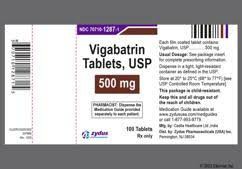
Vigabatrin (vigabatrin) is often used to treat partial seizures, a common type of epilepsy. Partial seizures can manifest as localized muscle spasms, paresthesias, or loss of consciousness. Vigabatrin (vigabatrin) can effectively reduce the frequency and severity of these seizures.
In addition to partial epilepsy, Vigabatrin (vigabatrin) is sometimes used to treat other types of epilepsy, such as infantile spasms. Infantile spasms is a severe epileptic syndrome that typically begins within a few months of birth and presents with muscle spasms, loss of head control, and developmental delays. Vigabatrin (vigabatrin)can help reduce the number and severity of infantile spasms and improve the quality of life of children with it.
Although Vigabatrin (vigabatrin) is generally effective in controlling seizures, resistance or adverse effects may occur in some patients. Therefore, caution is required when using Vigabatrin (vigabatrin) , and doctors will adjust the dosage and treatment plan according to the patient's specific condition and treatment response to ensure that the patient obtains the best therapeutic effect and minimizes the occurrence of adverse reactions.
[ 免责声明 ] 本页面内容来自公开渠道(如FDA官网、Drugs官网、原研药厂官网等),仅供持有医疗专业资质的人员用于医学药学研究参考,不构成任何治疗建议或药品推荐。所涉药品可能未在中国大陆获批上市,不适用于中国境内销售和使用。如需治疗,请咨询正规医疗机构。本站不提供药品销售或代购服务。


