
.jpeg)
Adverse reactions and countermeasures during tucatinib/tucatinib treatment
Tucatinib/Tucatinib, as a kinase inhibitor, has been widely used in combination treatment with trastuzumab and capecitabine. It is mainly targeted at adult patients with advanced unresectable or metastatic HER2-positive breast cancer, especially those who have experienced one or more anti-HER2-based treatment regimens and may develop brain metastases. At the same time, tucatinib has also demonstrated its therapeutic value for patients with RAS wild-type HER2-positive, unresectable or metastatic colorectal cancer whose disease has progressed after chemotherapy with fluoropyrimidine, oxaliplatin, and irinotecan.
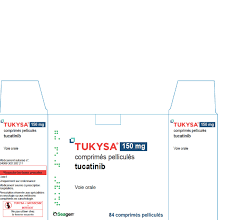
However, patients may encounter a series of adverse reactions during treatment with tucatinib. In practice, almost all patients receiving this combination experience these side effects to some degree. According to statistics, at least one-fifth of patients require dose adjustment or temporary discontinuation of treatment, and about 6% of patients even need to permanently stop treatment.
As a new drug for the treatment of breast cancer and colorectal cancer, tucatinib has played a positive role in improving the prognosis of patients. Common adverse reactions include diarrhea, palmoplantar red blood cell paresthesia (also known as hand-foot syndrome), nausea and vomiting, abdominal pain, fatigue, muscle and joint pain, cough, dyspnea, pyrexia, lymphopenia, anemia, and increased aminotransferase levels. Although rare, serious adverse events such as severe diarrhea, hepatotoxicity, and potential toxicity to the embryo and fetus may occur. Of note, some toxicities associated with the use of tucatinib may also be associated with concomitant use of trastuzumab and capecitabine.
[ 免责声明 ] 本页面内容来自公开渠道(如FDA官网、Drugs官网、原研药厂官网等),仅供持有医疗专业资质的人员用于医学药学研究参考,不构成任何治疗建议或药品推荐。所涉药品可能未在中国大陆获批上市,不适用于中国境内销售和使用。如需治疗,请咨询正规医疗机构。本站不提供药品销售或代购服务。


