
.jpeg)
What diseases does tucatinib/tucatinib treat?
Tucatinib/Tucatinib is a drug that treats certain types of cancer. They are used to treat metastatic breast cancer (MBC) and unresectable or metastatic colorectal cancer (CRC).
1. Metastatic breast cancer (MBC): Tucatinib is used in combination with trastuzumab and capecitabine. This combination therapy is suitable for adult patients with advanced breast cancer that cannot be surgically removed or has metastasized to other sites, especially those with HER2-positive breast cancer, and even those who have developed brain metastases. These patients may have previously received one or more anti-HER2-based treatment regimens. Tucatinib helps control the growth and spread of cancer cells by inhibiting the activity of the HER2 receptor.
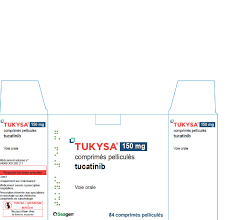
2. Unresectable or metastatic colorectal cancer (CRC): Tucatinib is used in combination with trastuzumab for patients with RAS wild-type, HER2-positive colorectal cancer, especially those who have progressed after treatment with fluoropyrimidine-, oxaliplatin-, and irinotecan-based drugs. Tucatinib helps control the progression of the disease by targeting the HER2 receptor, inhibiting the proliferation and growth of cancer cells. This is also an effective treatment option.
Tucatinib/Tucatinib is a type of targeted drug that blocks the growth and spread of cancer cells by interfering with their signaling pathways. These drugs are often used as an addition to other treatments in patients whose cancer has progressed to advanced stages or has metastasized to other sites. However, for each individual patient, the specific treatment plan should be determined based on the physician's recommendations and the patient's specific circumstances.
[ 免责声明 ] 本页面内容来自公开渠道(如FDA官网、Drugs官网、原研药厂官网等),仅供持有医疗专业资质的人员用于医学药学研究参考,不构成任何治疗建议或药品推荐。所涉药品可能未在中国大陆获批上市,不适用于中国境内销售和使用。如需治疗,请咨询正规医疗机构。本站不提供药品销售或代购服务。


