
.jpeg)
Osimertinib (Tagressa) belongs to the first generation of targeted therapy drugs
Osimertinib is a targeted therapy drug that is a third-generation epidermal growth factor receptor (EGFR) inhibitor. It is designed to treat non-small cell lung cancer (NSCLC), specifically those with advanced EGFR mutations.
First generationEGFR inhibitors, such as gefitinib (Gefitinib) and erlotinib (Erlotin ib), has achieved remarkable results in the treatment of EGFR mutation-positive NSCLC patients. However, after long-term use, some patients may develop drug resistance. This has led to the emergence of second-generation EGFR inhibitors, such as afatinib. Although second-generation drugs have improved treatment efficacy to some extent, drug resistance remains a problem.
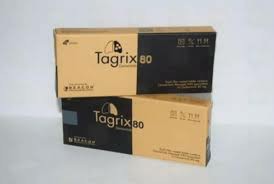
With the deepening of research, the third generationEGFRinhibitor osimertinib came into being. Compared with the previous two generations of drugs, osimertinib has higher selectivity and stronger anti-tumor activity. Most importantly, it can effectively overcome drug resistance caused by common EGFR mutations (such as the T790M mutation), which is a problem that first- and second-generation drugs cannot cope with well. Therefore, osimertinib is widely used to treat patients with EGFR T790M-positive advanced NSCLC and as a first-line treatment option.
Research and clinical trials of osimertinib have demonstrated significant efficacy and safety. It excels in prolonging progression-free survival (PFS) and improving overall survival, and is associated with lower toxicity. Due to its superior therapeutic effect and good tolerability, osimertinib has become one of the first-choice treatment options for many patients with advanced NSCLC.
Despite osimertinib's prominence in the treatment of NSCLC, several challenges remain. One of the challenges is the issue of resistance after treatment, and while osimertinib excels at dealing with common resistance mutations, other forms of resistance may still emerge. Therefore, scientists and clinicians continue to work hard to find new treatment strategies to overcome this problem.
In general, osimertinib, as a third-generation EGFR inhibitor, brings new hope to patients with advanced NSCLC. Its emergence fills some of the shortcomings of the first two generations of drugs and provides patients with more effective treatment options. With the in-depth understanding of its mechanism of action and the continuous improvement of clinical applications, osimertinib is expected to continue to play an important role in the treatment of lung cancer in the future.
[ 免责声明 ] 本页面内容来自公开渠道(如FDA官网、Drugs官网、原研药厂官网等),仅供持有医疗专业资质的人员用于医学药学研究参考,不构成任何治疗建议或药品推荐。所涉药品可能未在中国大陆获批上市,不适用于中国境内销售和使用。如需治疗,请咨询正规医疗机构。本站不提供药品销售或代购服务。


