
.jpeg)
What is the difference between osimertinib (Tagressa) and fumetinib?
Osimertinib) and fumetinib (Furmonertinib) are two targeted therapies commonly used to treat non-small cell lung cancer (NSCLC). They have certain similarities, but there are also some differences. The following will introduce in detail the differences between osimertinib and fumetinib in terms of characteristics, mechanism of action, clinical application, and adverse reactions:
1.Mechanism of action:
Osimertinib: Osimertinib is a third-generation EGFR (epidermal growth factor receptor) tyrosine kinase inhibitor, mainly used to treat EGFR mutation-positive advanced NSCLC. Compared with first- and second-generation EGFR inhibitors, osimertinib is more selective for EGFR T790M resistance mutations and can effectively overcome drug resistance.
Fometinib: Foumetinib is also an EGFRtyrosine kinase inhibitor, but its mechanism of action is slightly different. Fumetinib can inhibit EGFR activity and its mutant forms, including EGFR T790Mresistant mutations and EGFRexon20insertion mutations, while also inhibiting Activities of pan>HER2 (human epidermal growth factor receptor2) and HER4.
2.Clinical application:
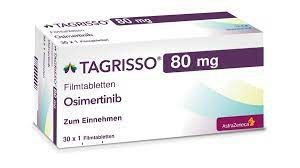
Osimertinib: Osimertinib is mainly suitable for EGFRmutation-positive advanced NSCLC patients, especially those with EGFR T790Mpatients with drug-resistant mutations. Osimertinib can also be used as first-line treatment, but it is more commonly used in patients who have been treated with other EGFR inhibitors.
Fometinib: Foumetinib is also suitable for EGFR mutation-positive NSCLC patients, including EGFR T790Mdrug resistance mutation and EGFRexon20insertion mutation. Fumetinib may also be used as a first-line treatment option, especially for patients with EGFR exon 20 insertion mutations.
3.Drug characteristics:
Resistance mechanism: Osimertinib mainly targetsEGFR T790Mresistance mutation, while fumetinib not only acts onEGFR T790Mdrug resistance mutation can also inhibit EGFR exon 20 insertion mutation, so it may be more advantageous in treating specific types of NSCLC patients.
Resistance development: Although both osimertinib and fumetinib are able to overcomeEGFR T790Mresistance, patients may still develop additional resistance while receiving treatment. Therefore, researchers are working hard to find new treatment strategies to extend the effective treatment time of drugs.
4.Adverse reactions:
Osimertinib: Common adverse reactions include rash, diarrhea, fatigue, nausea, vomiting, etc., as well as abnormal liver function, cardiotoxicity, etc. Generally, these adverse effects are controllable but require close monitoring and management during treatment.
Fumetinib: The adverse reactions of fumetinib are similar to those of osimertinib, including rash, diarrhea, fatigue, nausea, vomiting, etc., as well as abnormal liver function, cardiotoxicity, etc. Patients also need to be regularly monitored and managed for adverse effects while on treatment.
In summary, osimertinib and fumetinib are both effective drugs for the targeted treatment of non-small cell lung cancer. They have certain differences in their mechanisms of action, clinical applications, drug characteristics and adverse reactions. When choosing a treatment plan, the doctor will determine the most suitable drug based on the patient's specific situation and disease characteristics, and closely monitor the patient's condition changes to ensure the best effect of the treatment.
[ 免责声明 ] 本页面内容来自公开渠道(如FDA官网、Drugs官网、原研药厂官网等),仅供持有医疗专业资质的人员用于医学药学研究参考,不构成任何治疗建议或药品推荐。所涉药品可能未在中国大陆获批上市,不适用于中国境内销售和使用。如需治疗,请咨询正规医疗机构。本站不提供药品销售或代购服务。


