
.jpeg)
Is tucatinib/tucatinib effective?
Tucatinib/Tucatinib is an investigational, oral, highly selective HER2 tyrosine kinase inhibitor. In clinical trials, tucatinib in combination with trastuzumab and capecitabine has shown high efficacy in patients with HER2-positive metastatic breast cancer, extending progression-free survival and overall survival. In addition, tucatinib plus trastuzumab also showed good tolerability and anti-tumor activity in chemotherapy-refractory HER2-positive metastatic colorectal cancer. However, specific efficacy may vary based on individual differences.
One study evaluated the combination of trastuzumab and capecitabine in patients with HER2-positive metastatic breast cancer (with or without brain metastases) who had previously received trastuzumab, pertuzumab, and trastuzumab. The primary endpoint was progression-free survival in the first 480 patients randomized. Secondary endpoints assessed in the overall population (612 patients) included overall survival, progression-free survival in patients with brain metastases, confirmed objective response rate, and safety.
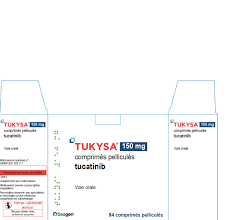
The results showed that the 1-year progression-free survival rate of the tucatinib combination group was 33.1%, and the median progression-free survival time was 7.8 months; the 2-year overall survival rate was 44.9%, and the median overall survival time was 21.9 months. Among patients with brain metastases, the 1-year progression-free survival rate in the tucatinib combination treatment group was 24.9%, and the median progression-free survival was 7.6 months. Common adverse events in the tucatinib group included diarrhea, palmar-plantar dysesthesia syndrome, nausea, fatigue, and vomiting. Diarrhea and grade 3 or higher transaminase elevations were more common in the tucatinib combination group compared with the placebo combination group.
One study evaluated the activity of tucatinib plus trastuzumab in patients with chemotherapy-refractory, HER2-positive, RAS wild-type unresectable or metastatic colorectal cancer. Initially, patients received tucatinib (300 mg orally twice daily) plus intravenous trastuzumab (initial loading dose of 8 mg/kg, then 6 mg/kg every 21 days; Cohort A). During treatment (until disease progression) and after expansion, patients were randomly assigned (4:3) using an interactive web response system to tucatinib plus trastuzumab (cohort B) or tucatinib monotherapy (cohort C). The primary endpoint was blinded independent central review (BICR)-confirmed objective response rate in Cohorts A and B, with patients assessed in the full analysis data set (i.e., HER2-positive patients who received at least one dose of study treatment). Safety was assessed in all patients who received at least one dose of study treatment.
The results showed that a total of117 patients were enrolled, from in the full analysis data setAmong the 84 patients in cohorts A and B, the confirmed objective response rate per BICR was 38.1% (3 patients with complete responses and 29 patients with partial responses). In cohorts A and B, the most common adverse event was diarrhea, the most common grade 3 or worse adverse event was hypertension, and 3% of patients experienced tucatinib-related serious adverse events (acute kidney injury, colitis, and fatigue). In Cohort C, the most common adverse event was diarrhea, the most common grade 3 or worse adverse event was increased alanine aminotransferase and aspartate aminotransferase (both 7%), and 3% of patients experienced a serious adverse event (overdose) related to tucatinib. All deaths in treated patients were due to disease progression.
[ 免责声明 ] 本页面内容来自公开渠道(如FDA官网、Drugs官网、原研药厂官网等),仅供持有医疗专业资质的人员用于医学药学研究参考,不构成任何治疗建议或药品推荐。所涉药品可能未在中国大陆获批上市,不适用于中国境内销售和使用。如需治疗,请咨询正规医疗机构。本站不提供药品销售或代购服务。


