
.jpeg)
How does tucatinib/tucatinib perform in clinical treatment?
Tucatinib/Tucatinib, as an investigational oral highly selective HER2 tyrosine kinase inhibitor, has shown remarkable results in clinical treatment in recent years. In clinical trials for patients with HER2-positive metastatic breast cancer, tucatinib was particularly effective when used in combination with trastuzumab and capecitabine. It not only effectively extended the progression-free survival of patients, but also improved the overall survival of patients. In addition, the combination therapy of tucatinib and trastuzumab has also shown good tolerability and anti-tumor effects in response to chemotherapy-refractory HER2-positive metastatic colorectal cancer.
In a study of patients with HER2-positive metastatic breast cancer who had received multiple treatments, the tucatinib combination therapy performed impressively. The study showed that patients who received tucatinib combination therapy had a 1-year progression-free survival rate of 33.1% and a median progression-free survival of 7.8 months. The 2-year overall survival rate was as high as 44.9% and the median overall survival was 21.9 months. It is particularly worth mentioning that in patients with brain metastases, tucatinib combination therapy also showed excellent results, with a 1-year progression-free survival rate of 24.9% and a median progression-free survival of 7.6 months.
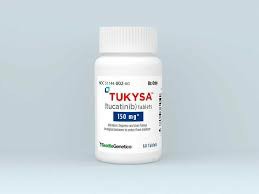
However, the use of tucatinib is not without side effects. Common adverse events include diarrhea, palmar-plantar paresthesia syndrome, nausea, fatigue, and vomiting. The incidence of diarrhea and elevated transaminase levels was relatively higher in the tucatinib combination group compared with the placebo group.
Another study evaluated the efficacy of tucatinib combined with trastuzumab in patients with chemotherapy-refractory HER2-positive colorectal cancer. The results showed that among patients who received tucatinib combination therapy, the objective response rate confirmed by blinded independent central review was as high as 38.1%. Although some adverse events occurred during treatment, such as diarrhea, hypertension, etc., the incidence of serious adverse events was relatively low.
Tucatinib plus trastuzumab had clinically meaningful antitumor activity and was well tolerated. This is the first antiHER2 treatment for metastatic colorectal cancer approved by the U.S. Food and Drug Administration. It is also an important new treatment option for chemotherapy-refractory HER2-positive metastatic colorectal cancer.
Overall, tucatinib/ Tucatinib has shown significant results in clinical treatment, providing a new treatment option for patients with HER2-positive breast cancer and colorectal cancer. However, considering its possible side effects, patients should fully consult their doctor before use and develop a suitable treatment plan based on their own situation.
[ 免责声明 ] 本页面内容来自公开渠道(如FDA官网、Drugs官网、原研药厂官网等),仅供持有医疗专业资质的人员用于医学药学研究参考,不构成任何治疗建议或药品推荐。所涉药品可能未在中国大陆获批上市,不适用于中国境内销售和使用。如需治疗,请咨询正规医疗机构。本站不提供药品销售或代购服务。


