
.jpeg)
Comparison of tucatinib/tucatinib and 8201
Tucatinib/Tucatinib is a tyrosine kinase inhibitor used in combination with other drugs to treat HER2-positive breast cancer, especially patients with brain metastases. It has also recently been approved to treat metastatic colorectal cancer. 8201 may be the name of its clinical research phase. It is understood that the original name is detrastuzumab, also known as Fam-trastuzumab deruxtecan-nxki. It is an antibody-drug conjugate designed specifically for HER2-positive breast cancer cells, providing chemotherapy directly to cancer cells while minimizing contact with normal cells. The choice between tucatinib and trastuzumab will depend on individual patient factors, including the presence of metastases, previous treatments, and specific medical history, and should be consulted with a physician who can evaluate the most appropriate treatment plan.
Tucatinib is an oral tyrosine kinase inhibitor indicated in combination with trastuzumab and capecitabine for the treatment of adult patients with advanced unresectable or metastatic breast cancerHER2-positive breast cancer, including those with brain metastases. Tukysa has been shown to effectively inhibit the growth of HER2-positive cancer cells. The drug's efficacy was demonstrated in the pivotal HER2CLIMB trial, which significantly improved progression-free survival (PFS) and overall survival (OS) in patients with HER2-positive metastatic breast cancer, including those with brain metastases who had received prior anti-HER2 therapy.
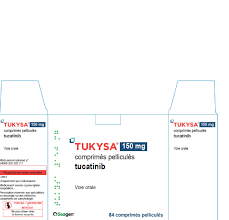
In theHER2CLIMB trial, the combination of trastuzumab and capecitabine with tucatinib reduced the risk of disease progression or death by 46% compared with trastuzumab and capecitabine alone. Additionally, the trial showed that tucatinib can cross the blood-brain barrier and effectively treat brain metastases, a common and challenging complication in patients with HER2-positive breast cancer. This finding is particularly important because it addresses an unmet need in the treatment of this patient population, raising hope for improved outcomes.
Trastuzumab is a novel antibody-drug conjugate that has shown significant efficacy in the treatment of breast cancer, particularly in patients with HER2-positive metastatic breast cancer. This targeted therapy combines an anti-HER2 antibody with a cytotoxic chemotherapy agent, allowing chemotherapy drugs to be delivered directly to cancer cells that overexpress the HER2 protein. Clinical trials have proven that trastuzumab can significantly improve PFS and OS in patients with HER2-positive metastatic breast cancer who have previously received two or more anti-HER2 regimens.
KeyThe phase II study DESTINY-Breast01 showed that trastuzumab led to a robust objective response rate (ORR) in the majority of patients, with a significant number of patients achieving complete response. Durability of response was also a key finding, with many patients maintaining responses over a long period of time. These results make trastuzumab an important treatment option for patients with HER2-positive breast cancer who have exhausted other treatment options.
[ 免责声明 ] 本页面内容来自公开渠道(如FDA官网、Drugs官网、原研药厂官网等),仅供持有医疗专业资质的人员用于医学药学研究参考,不构成任何治疗建议或药品推荐。所涉药品可能未在中国大陆获批上市,不适用于中国境内销售和使用。如需治疗,请咨询正规医疗机构。本站不提供药品销售或代购服务。


