
.jpeg)
What are the contraindications to taking Osimertinib (Tagressa)?
There are some contraindications when taking Osimertinib (Tagrisso), which means there are situations where patients should not use this drug, or where special caution is needed. Understanding these contraindications is critical for both patients and physicians as it helps ensure the safety and effectiveness of the treatment the patient receives.
1. Allergy to the drug: Patients who are allergic toOsimertinib (Tagrisso) or any ingredients in the drug should not useOsimertinib (Tagrisso). Anaphylaxis may manifest as rash, hives, difficulty breathing, throat swelling, and in severe cases, anaphylactic shock. Before starting osimertinib (Tagressa) , patients should inform their doctor about their allergic history to avoid unnecessary risks.
2. Severe liver damage: Osimertinib (Tagrisso) may have an impact on liver function, so patients with severe liver function impairment, such as liver failure or liver damage, should avoid using Osimertinib (Tagrisso) . This is because the metabolism of Osimertinib (Tagressa) mainly occurs in the liver, and liver dysfunction may cause the drug to accumulate in the body, increasing the risk of adverse reactions.
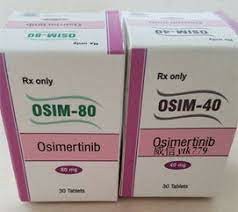
3. Pregnancy and lactation: Pregnant and lactating women should avoid the use of osimertinib (Tagressa) because its effects on the fetus and newborn are unknown. Animal studies have shown that osimertinib (Tagressa) may have adverse effects on the fetus, so female patients should use effective contraception during treatment to prevent pregnancy. Also, breastfeeding women should avoid using osimertinib (Tagressa) because the drug may be passed to the baby through breast milk.
4. Cardiovascular disease: If patients have severe cardiovascular disease, such as arrhythmia, heart failure or myocardial infarction, they should use Osimertinib (Tagressa) with caution under the guidance of a doctor. Although osimertinib (Tagressa) has shown low cardiovascular toxicity in clinical trials, it may still cause heart-related adverse reactions, so patients with cardiovascular disease need special attention.
5. Eye disease: Patients with serious eye disease, such as glaucoma or retinopathy, should use osimertinib (Tagressa) with special caution. Osimertinib (Tagressa)It may cause eye problems, such as blurred vision, eyelid edema, or eyelid pain. Therefore, patients with eye diseases need to have regular eye examinations and seek medical attention promptly when abnormalities occur.
6. Renal insufficiency: If patients have severe renal insufficiency, the dose of osimertinib (Tagressa) may need to be adjusted or monitored more closely. Although Osimertinib (Tagressa) is primarily metabolized by the liver, it may be excreted by the kidneys, so renal insufficiency may affect the metabolism and excretion of the drug.
7. Elderly patients: Elderly patients may be more susceptible to drug-related adverse reactions, so special caution is required when usingosimertinib (Tagressa) in elderly patients. Doctors may adjust the dose based on the patient's age and overall health and closely monitor for the occurrence of adverse reactions.
Understanding the contraindications of osimertinib (Tagressa) is important for both patients and physicians. Before using Osimertinib (Tagressa), patients should describe their medical history and drug allergies to their doctors in detail so that doctors can evaluate whether the patient is suitable for this drug. During treatment, patients need to pay close attention to any adverse reactions or abnormal symptoms and report them to the doctor in time for timely adjustment or treatment. By adhering to contraindications and physician guidance, patients can maximize the effectiveness of osimertinib (Tagressa) treatment and reduce the risk of adverse effects.
[ 免责声明 ] 本页面内容来自公开渠道(如FDA官网、Drugs官网、原研药厂官网等),仅供持有医疗专业资质的人员用于医学药学研究参考,不构成任何治疗建议或药品推荐。所涉药品可能未在中国大陆获批上市,不适用于中国境内销售和使用。如需治疗,请咨询正规医疗机构。本站不提供药品销售或代购服务。


