
.jpeg)
An in-depth analysis of capmatinib: an innovative drug for the treatment of non-small cell lung cancer
Capmatinib widely known by the trade name Tabrecta, is a cutting-edge anti-cancer drug designed to treat a specific type of metastatic non-small cell lung cancer (NSCLC). This lung cancer is characterized by the presence of a specific genetic mutation, skipping of exon 14 of the MET gene encoding the membrane receptor HGFR. Non-small cell lung cancer is a disease caused by malignant cancer cells in lung tissue, and cancer metastasis is driven by a series of complex biological processes, among which MET exon 14 skipping has been identified by scientists as a key link in this process.
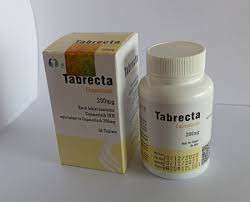
The pharmacological effect of capmatinib is mainly reflected in its ability to effectively inhibit the activity ofc-Met (also known as hepatocyte growth factor receptor [HGFR]). C-Met is an important receptor tyrosine kinase. In patients with newly diagnosed non-small cell lung cancer receiving epidermal growth factor receptor tyrosine kinase inhibitors (EGFR-TKI), the detection rate of methionine amplification is as high as 1.4%-21%. This phenomenon makes c-Met a very attractive target in the treatment of non-small cell lung cancer. However, as with many advanced anticancer drugs, the use of capmatinib may be associated with some adverse effects. The most common adverse reactions include peripheral edema, nausea, fatigue, vomiting, dyspnea, and decreased appetite.
Currently, the original drug of capmatinib has not yet been launched in the domestic market, and therefore cannot be included in the medical insurance system. In Hong Kong, a box of medicine with a specification of 200mg60 sells for more than 30,000 yuan. In overseas markets, the European version of the original drug is more expensive, with the price of each box of 200 mg and 120 doses exceeding RMB 50,000 (the price may be affected by exchange rate fluctuations). Despite this, there are relatively affordable generic capmatinib drugs available on the market. For example, the 200mg*56 size drug produced in Laos is priced at just over 3,000 yuan per box.
[ 免责声明 ] 本页面内容来自公开渠道(如FDA官网、Drugs官网、原研药厂官网等),仅供持有医疗专业资质的人员用于医学药学研究参考,不构成任何治疗建议或药品推荐。所涉药品可能未在中国大陆获批上市,不适用于中国境内销售和使用。如需治疗,请咨询正规医疗机构。本站不提供药品销售或代购服务。


