
.jpeg)
What are the dangers of taking Apremilast?
Apremilast is a drug used to treat psoriasis and related arthritis. Although Apremilast is effective and safe for many patients, some adverse reactions and potential hazards may occur during use. The following are some adverse reactions and potential hazards that may be associated with Apremilast:
1. Adverse reactions of the digestive system: Apremilast may cause a series of adverse reactions of the digestive system, including nausea, diarrhea, vomiting, abdominal pain, etc. These reactions usually occur early in treatment and may gradually lessen or disappear, but in some patients these adverse reactions may be severe enough to require discontinuation of the drug.
2. Headache: Patients taking Apremilast may experience the adverse reaction of headache, which may be due to the drug's effects on the nervous system. The severity and duration of headaches can vary from person to person.
3. Peripheral nervous system adverse reactions: Some patients may experience peripheral nervous system adverse reactions when using Apremilast, such as dizziness, vertigo, and paresthesia. These reactions are usually mild, but in some cases may affect the patient's daily life.
4. Adverse reactions of the cardiovascular system: Patients taking Apremilast may experience adverse reactions of the cardiovascular system, such as palpitations, tachycardia, etc. These reactions are usually temporary but may last longer in some patients.
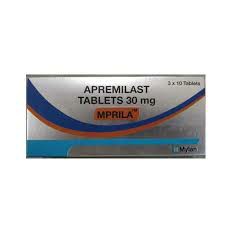
5. Immune system reaction: Apremilast may affect the patient's immune system, leading to adverse immune system reactions, such as infection, fever, swollen lymph nodes, etc. Patients should pay close attention to any possible signs of infection while taking Apremilast and seek prompt medical attention.
6. Abnormal liver function: Apremilast may cause abnormal liver function, manifested as elevated liver enzymes, jaundice, etc. Patients should regularly monitor liver function while taking Apremilast and seek medical attention promptly to deal with any abnormalities.
7. Abnormal renal function: There are reports that Apremilast may cause abnormal renal function, including kidney stones, renal failure, etc. Therefore, patients should regularly monitor kidney function and pay attention to fluid intake and urination while taking Apremilast.
8. Respiratory system adverse reactions: Patients taking Apremilast may experience respiratory system adverse reactions, such as cough, dyspnea, etc. These reactions are usually mild, but in some cases may require medical attention.
9. Adverse reactions to the skeletal system: Apremilast may affect the skeletal system, leading to osteoporosis, fractures and other problems. Patients should pay close attention to their bone health while taking Apremilast and take appropriate steps to prevent osteoporosis and fractures.
10. Mental and emotional problems: Some patients may experience mental and emotional problems, such as anxiety, depression, etc. when taking Apremilast. These reactions may affect the patient's quality of life, so patients should pay close attention to their mental and emotional state while using Apremilast and seek medical help promptly.
Although apremilast may cause the adverse reactions and potential harms noted above, for many patients the benefits may outweigh the risks. However, patients should pay close attention to the occurrence of any adverse reactions while using Apremilast and seek medical help promptly. At the same time, patients should follow their doctor's advice, use the medication correctly, and undergo regular follow-up visits and monitoring to ensure safe and effective use of Apremilast.
[ 免责声明 ] 本页面内容来自公开渠道(如FDA官网、Drugs官网、原研药厂官网等),仅供持有医疗专业资质的人员用于医学药学研究参考,不构成任何治疗建议或药品推荐。所涉药品可能未在中国大陆获批上市,不适用于中国境内销售和使用。如需治疗,请咨询正规医疗机构。本站不提供药品销售或代购服务。


