
.jpeg)
Potential risks and countermeasures of capmatinib in the treatment of NSCLC
Capmatinib (Capmatinib) is an innovative targeted therapy for adult patients with metastatic non-small cell lung cancer (NSCLC), especially those with MET exon 14 mutations in their tumors. Although the drug capmatinib can effectively fight cancer cells and provide new treatment opportunities for these patients, it may also bring about a series of adverse effects.
In relevant clinical studies of capmatinib, recorded adverse reactions include edema, nausea, musculoskeletal pain, fatigue, vomiting, dyspnea, cough, and decreased appetite. The incidence of these symptoms in subjects exceeds20%. What's more serious is that some patients develop serious health conditions such as difficulty breathing, pneumonia, and pleural effusion. In addition, studies have also found that capmatinib may cause risks such as interstitial lung disease (ILD)/pneumonitis, toxic reactions to the liver and pancreas, allergic reactions, and sensitivity to sunlight.
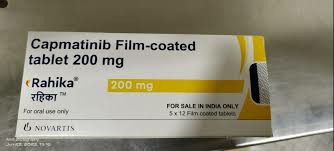
In view of this, when doctors prescribe capmatinib to patients, they must carefully monitor the patient to ensure that any adverse reactions that occur are detected and appropriately dealt with in a timely manner. For patients with severe symptoms such as difficulty breathing and pneumonia, doctors should immediately stop drug treatment and take appropriate medical measures. At the same time, patients should also remain vigilant about possible allergic reactions and photosensitivity and try to avoid direct sunlight exposure.
In general, capmatinib, as a breakthrough drug in the treatment of non-small cell lung cancer, carries certain risks, but through the joint efforts and close communication between doctors and patients, these risks can be effectively managed and controlled.
[ 免责声明 ] 本页面内容来自公开渠道(如FDA官网、Drugs官网、原研药厂官网等),仅供持有医疗专业资质的人员用于医学药学研究参考,不构成任何治疗建议或药品推荐。所涉药品可能未在中国大陆获批上市,不适用于中国境内销售和使用。如需治疗,请咨询正规医疗机构。本站不提供药品销售或代购服务。


