
.jpeg)
Apremilast's mechanism of action
Apremilast (Apremilast ) is an oral drug. Its main mechanism of action is to inhibit the production of inflammatory mediators, thereby reducing the inflammatory response and relieving the symptoms of related diseases.
1.Phosphodiesterase4 (PDE4) inhibition: Apremilast (apmilast) is a selective inhibitor of phosphodiesterase 4 (PDE4). PDE4 is an enzyme that is mainly responsible for hydrolyzing cyclic adenosine monophosphate (cAMP) in cells. cAMP is an important signaling molecule that regulates a variety of biological processes within cells, including inflammation and immune responses. By inhibiting PDE4, Apremilast (apmilast) can increase the concentration of cAMP, thereby inhibiting the activation of inflammatory cells and the production of inflammatory mediators, and reducing the inflammatory response.
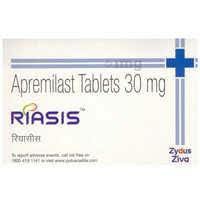
2.Regulate the activation of inflammatory cells:Apremilast (apmilast) can also affect the activation status of a variety of inflammatory cells. Studies have shown that Apremilast can inhibit the activation of a variety of inflammation-related signaling pathways, such as nuclear transcription factor κB (N F-κB) pathway, signal transducer and transcriptional activator 3 (STAT3) pathway, etc. These signaling pathways play an important role in the regulation of inflammatory responses. Apremilast (apmilast) by intervening in the activation of these pathways can reduce the release of inflammatory mediators, thereby alleviating inflammatory symptoms.
3.Regulate the immune system:Apremilast (apmilast) can also affect the activity of the immune system. Studies have found that Apremilast can affect the functions of a variety of immune cells, such as T cells, B cells, monocytes, etc., thus regulating the degree and nature of immune responses. By modulating the activity of the immune system, Apremilast (apmilast)It can reduce the release of immune mediators and alleviate the symptoms of inflammatory reactions and related diseases.
In general,Apremilast (apmilast) reduces the symptoms of inflammatory reactions and related diseases by inhibiting the production of inflammatory mediators, regulating the activation of inflammatory cells and regulating the immune system. Its mechanism of action is complex and involves the regulation of multiple signaling pathways and cell types, providing an effective therapeutic option for the treatment of psoriasis and psoriatic arthritis.
[ 免责声明 ] 本页面内容来自公开渠道(如FDA官网、Drugs官网、原研药厂官网等),仅供持有医疗专业资质的人员用于医学药学研究参考,不构成任何治疗建议或药品推荐。所涉药品可能未在中国大陆获批上市,不适用于中国境内销售和使用。如需治疗,请咨询正规医疗机构。本站不提供药品销售或代购服务。


