
.jpeg)
What are the precautions for lorlatinib/lorlatinib?
In the clinical studies of Lorlatinib, warnings and precautions have emerged regarding the risk of severe hepatotoxicity, central nervous system effects, hyperlipidemia, atrioventricular block, interstitial lung disease/pneumonitis, hypertension, and hyperglycemia associated with the use of strong CYP3A inducers. Discontinue and resume at reduced dose upon recovery, or permanently discontinue based on severity.
1. Concomitant use of strongCYP3A inducers carries the risk of severe hepatotoxicity: Patients in clinical studies have experienced severe hepatotoxicity, including elevated alanine aminotransferase (ALT) or aspartate aminotransferase (AST). Physicians will advise against lorlatinib in patients taking strong CYP3A inducers. Discontinue strong CYP3A inducers for 3 plasma half-lives before initiating use.
2. Central nervous system effects: Patients receiving lorlatinib may experience broad-spectrum central nervous system (CNS) effects. These include seizures, psychotic effects, and changes in cognitive function, mood (including suicidal ideation), speech, mental status, and sleep. In clinical studies, 2.1% of patients required permanent discontinuation due to central nervous system effects; 10% required temporary discontinuation and 8% required dose reduction.
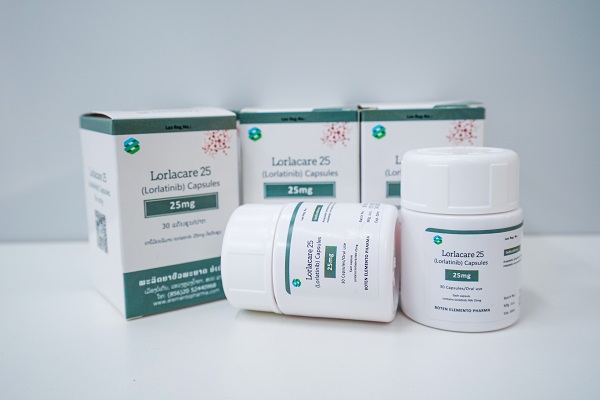
3. Hyperlipidemia:Patients receiving lorlatinib may experience elevated serum cholesterol and triglycerides. Initiate or increase the dose of lipid-lowering medications in patients with hyperlipidemia. Monitor serum cholesterol and triglycerides before starting lorlatinib, at 1 month and 2 months after taking lorlatinib, and regularly thereafter. Stop dosing and continue at the same dose as the first dose.
4. Atrioventricular block: Patients receiving treatment may experience prolonged PR interval and atrioventricular block. Monitor an ECG before starting lorlatinib and periodically thereafter. For patients with implanted pacemakers, withhold administration and reduce dose or resume at the same dose. Patients who did not have a pacemaker permanently discontinued the drug due to relapse.
5. Interstitial lung disease (ILD)/pneumonitis: Severe or life-threatening pulmonary adverse reactions consistent withILD/pneumonitis may occur with lorlatinib. If a patient develops worsening of respiratory symptoms of ILD/pneumonitis (eg, dyspnea, cough, and fever), the patient should be immediately investigated for ILD/pneumonitis. Patients suspected of having ILD/pneumonitis should discontinue use immediately and initiate treatment.
6. Hypertension Patients receiving lorlatinib may develop hypertension. Control blood pressure before starting treatment, monitor blood pressure after 2 weeks of treatment, and at least once a month thereafter.
7. Hyperglycemia: Patients undergoing treatment may develop hyperglycemia. Assess fasting blood glucose before starting lorlatinib and monitor periodically thereafter.
8. Embryo-Fetal Toxicity: According to the results of animal studies and its mechanism of action, lorlatinib taken by pregnant women can cause harm to the fetus. Administration of lorlatinib by oral gavage to pregnant rats and rabbits during organogenesis resulted in malformations, increased postimplantation loss, and miscarriage based on the area under the curve (AUC) at maternal exposures ≤ human exposure at the recommended dose of once daily 100 mg. Inform pregnant women of potential risks to the fetus.
[ 免责声明 ] 本页面内容来自公开渠道(如FDA官网、Drugs官网、原研药厂官网等),仅供持有医疗专业资质的人员用于医学药学研究参考,不构成任何治疗建议或药品推荐。所涉药品可能未在中国大陆获批上市,不适用于中国境内销售和使用。如需治疗,请咨询正规医疗机构。本站不提供药品销售或代购服务。


