
.jpeg)
What is the therapeutic effect of lorlatinib/lorlatinib?
Lorlatinib/Lorlatinib showed significant results in the treatment of non-small cell lung cancer (NSCLC) in a major study. In a major study of 139 patients with ALK-positive NSCLC who had previously received other ALK TKIs, such as alectinib, ceritinib, or crizotinib, their disease worsened. The study focused on evaluating the effects of lorlatinib in these patients and did not compare it to any other treatment or to a placebo (dummy treatment).
Study results showed that for patients who had previously received alectinib or ceritinib, approximately 43% of patients achieved a complete or partial response after taking lorlatinib. About 40% of patients who had previously received crizotinib and other ALK TKIs responded favorably to lorlatinib. Of particular note is that lorlatinib also showed significant therapeutic effects when the cancer had spread to the brain. Approximately 67% to 52% of patients treated with lorlatinib experienced reduced or complete disappearance of signs of brain cancer, depending on the patient's prior treatment history.
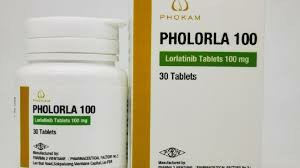
In another study involving 296 patients with ALK-positive NSCLC who had not received other ALK TKI treatments, lorlatinib was superior to crizotinib in preventing disease progression. Patients taking crizotinib worsened after an average of about nine months of treatment, while those taking lorlatinib took significantly longer to progress.
Further research data support the therapeutic efficacy of lorlatinib. Up to 76% of patients treated with lorlatinib demonstrated a complete or partial response, compared with 58% of patients receiving crizotinib. At the same time, the duration of the therapeutic effect of lorlatinib is also significantly longer than that of crizotinib. For patients whose cancer has spread to the brain, lorlatinib also showed excellent therapeutic effects. About 66% of patients treated with lorlatinib had reduced or completely disappeared signs of brain cancer, compared with only about 20% of patients treated with crizotinib.
Lorlatinib has a significant effect in the treatment of non-small cell lung cancer, but adverse events may occur during treatment. The most common side effects include hypercholesterolemia (high blood cholesterol levels), hypertriglyceridemia (high triglyceride levels, a type of fat), edema (fluid accumulation), peripheral neuropathy (nerve damage in the hands and feet), weight gain, cognitive decline, fatigue, joint pain, diarrhea, and effects on mood. Therefore, patients must be under the guidance of a doctor before using lorlatinib to ensure the safety and effectiveness of the treatment.
[ 免责声明 ] 本页面内容来自公开渠道(如FDA官网、Drugs官网、原研药厂官网等),仅供持有医疗专业资质的人员用于医学药学研究参考,不构成任何治疗建议或药品推荐。所涉药品可能未在中国大陆获批上市,不适用于中国境内销售和使用。如需治疗,请咨询正规医疗机构。本站不提供药品销售或代购服务。


