
.jpeg)
Bedaquiline fumarate (Sneril) treatment for drug-resistant tuberculosis
Treatment of multidrug-resistant tuberculosis (MDR-TB) is a complex and arduous task, and fumaric acidbedaquiline (Bedaquiline), as part of the treatment regimen, has been proven to play an important role in the treatment of MDR-TB. The following is a general protocol for the treatment of drug-resistant tuberculosis with fumaric acidbedaquiline (Sneril) :
1.Diagnosis and evaluation: Patients first need to undergo rigorous clinical evaluation and drug susceptibility testing of tuberculosis bacteria to confirm their drug resistance and determine a treatment plan. During this step, doctors determine whether a patient has MDR-TB and assess the severity of the disease and resistance to traditional anti-TB drugs.
2.Develop a treatment plan: Based on the patient’s clinical condition and drug resistance test results, the doctor will develop a personalized treatment plan. Fumaric acidBedaquiline (Sneril) Often used as part of a treatment regimen in combination with other anti-tuberculosis drugs to increase the success of treatment.
3.Fumaric acidBedaquiline (Sneril) Usage: Fumaric acidBedaquiline (Sneril) The usage and dosage should be adjusted based on the patient's weight and clinical condition. Generally, adult patients receive 400 mg orally daily for the first two weeks of treatment, followed by 200 mg orally three times per week for at least 6 months. The dosage for pediatric patients is adjusted based on body weight, and medication needs to be taken strictly in accordance with the doctor's instructions.
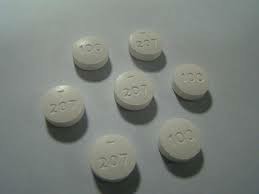
4.Combination regimen: Fumaric acid Bedaquiline (Sneril) Usually used in combination with other anti-tuberculosis drugs to improve the success rate of treatment and reduce the occurrence of drug resistance. Commonly used combination drug regimens include isoniazid, rifampicin, ethambutol and other anti-tuberculosis drugs. The selection of treatment options needs to consider the patient's drug resistance and treatment response.
5.Monitoring and evaluation: During treatment, patients need to undergo regular clinical monitoring and evaluation, including symptoms, weight, biochemical indicators, and imaging examinations. These monitoring can help doctors evaluate the effectiveness of treatment and adjust treatment plans in a timely manner.
6.Adverse event management: Fumaric acid Bedaquiline (Sneril) Adverse events may occur during treatment, including nausea, vomiting, headache, arrhythmia, etc. Doctors need to promptly monitor adverse events and take appropriate measures to manage them, including adjusting dosage, giving symptomatic treatment, or suspending drug use.
7.Treatment duration: Treatment duration for MDR-TBis usually longer, requiring at least6 months or more. During the treatment process, patients need to insist on taking medications on time and follow the doctor's instructions and recommendations to ensure the effectiveness and safety of the treatment.
In general, fumaratebedaquiline (Sneril) as part of the treatmentMDR-TB needs to be used in combination with other antituberculosis drugs and needs to be tailored and monitored on an individual patient basis. Doctors need to pay close attention to patients' condition changes and treatment responses, and adjust treatment plans in a timely manner to improve the success rate of treatment and reduce the occurrence of adverse events.
[ 免责声明 ] 本页面内容来自公开渠道(如FDA官网、Drugs官网、原研药厂官网等),仅供持有医疗专业资质的人员用于医学药学研究参考,不构成任何治疗建议或药品推荐。所涉药品可能未在中国大陆获批上市,不适用于中国境内销售和使用。如需治疗,请咨询正规医疗机构。本站不提供药品销售或代购服务。


