
.jpeg)
What are the adverse reactions of lorlatinib/lorlatinib?
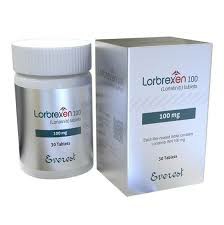
Lorlatinib/lorlatinib (Lorlatinib) is a highly effective treatment drug for ALK-positive metastatic non-small cell lung cancer (NSCLC). It has been widely used around the world, including the United States, Europe and China. However, like other drugs, lorlatinib may cause some side effects during use. These possible side effects are listed and explained in detail below:
1. Common adverse reactions
1. Edema: Lorlatinib may cause edema in certain parts of the body, which may be due to the drug affecting the water balance in the body.
2. Peripheral neuropathy: Patients may feel numbness, tingling or weakness in their hands and feet, which is caused by the effect of the drug on the nervous system.
3. Weight gain: Some patients may gain weight during treatment with lorlatinib.
4. Cognitive effects: including memory loss, inability to concentrate, etc., which may affect the patient's daily life.
5. Fatigue: Lorlatinib may cause patients to feel persistent fatigue.
6. Difficulty breathing: Some patients may experience difficulty breathing, which may be due to the effect of the drug on the lungs.
7. Joint pain: Drugs may cause pain or discomfort in joints.
8. Diarrhea: Lorlatinib may cause diarrhea, which may require patients to adjust their diet or use antidiarrheal medications.
9. Emotional effects: Patients may experience emotional problems such as mood swings, anxiety or depression.
2. Laboratory abnormalities
1. Hypercholesterolemia: Lorlatinib may cause increased cholesterol levels in the blood.
2. Hypertriglyceridemia: Medications may trigger an increase in triglyceride levels, which increases the risk of cardiovascular disease.
3. Other warnings and precautions
1. Risk of severe hepatotoxicity: Severe hepatotoxicity may occur when lorlatinib is combined with strong inducers of liver enzyme CYP3A4/5. Therefore, concomitant use with these drugs should be avoided during use of lorlatinib.
2. Central nervous system effects: Lorlatinib may have effects on the central nervous system, including dizziness, headache and other symptoms.
3. Hyperlipidemia: In addition to the above-mentioned hypercholesterolemia and hypertriglyceridemia, lorlatinib may also cause other dyslipidemia.
4. Atrioventricular block: A small number of patients may develop cardiac conduction problems after using lorlatinib and need to closely monitor their electrocardiogram.
5. Interstitial lung disease/pneumonitis: Although uncommon, lorlatinib may cause interstitial lung disease or pneumonia.
6. Hypertension: Drugs may cause blood pressure to rise, so regular monitoring and corresponding treatment measures are required.
7. Hyperglycemia: Lorlatinib may cause an increase in blood sugar levels, so patients with diabetes need special attention.
It should be noted that although lorlatinib may produce the above side effects, not every patient will experience them. While using lorlatinib, patients should pay close attention to their physical condition and promptly report any discomfort or abnormal symptoms to their doctor. The doctor will adjust the treatment plan according to the patient's specific situation to ensure that the treatment is safe and effective. At the same time, patients should also follow the doctor's advice and conduct regular physical examinations and laboratory tests to detect and deal with possible side effects in a timely manner.
[ 免责声明 ] 本页面内容来自公开渠道(如FDA官网、Drugs官网、原研药厂官网等),仅供持有医疗专业资质的人员用于医学药学研究参考,不构成任何治疗建议或药品推荐。所涉药品可能未在中国大陆获批上市,不适用于中国境内销售和使用。如需治疗,请咨询正规医疗机构。本站不提供药品销售或代购服务。


