
.jpeg)
The difference between lorlatinib/lorlatinib and alectinib
Lorlatinib and alectinib are both oral drugs used to treat ALK-positive non-small cell lung cancer (NSCLC), but they differ in generation and specificity. Alectinib is a second-generation ALK inhibitor that is often used as first-line treatment and is known for its effectiveness in controlling brain metastases. In contrast, lorlatinib is a third-generation ALK inhibitor that can be used for patients who are resistant to early ALK inhibitors, providing a potential treatment option for patients with advanced disease or after failure of other therapies.
Alectinib is a targeted therapy approved to treat non-small cell lung cancer with specific genetic mutations. It is an ALK inhibitor designed to target and inhibit the activity of anaplastic lymphoma kinase (ALK), which drives the growth of cancer cells. In clinical trials, alectinib has significant efficacy in patients with ALK-positive non-small cell lung cancer. In first-line treatment, it has been shown to improve progression-free survival (PFS) compared with another ALK inhibitor, crizotinib. In addition, alectinib is associated with a high rate of intracranial response in patients with brain metastases, a common complication of advanced non-small cell lung cancer.
The ALEX trial is a phase III study comparing alectinib and crizotinib in previously untreated ALK-positive non-small cell lung cancer. Alectinib significantly reduced the risk of disease progression or death by 53% compared with crizotinib. Additionally, patients treated with alectinib did not reach median PFS at the time of analysis, suggesting prolonged disease control. This study identifies aletinib as the preferred first-line treatment for patients with ALK-positive non-small cell lung cancer.
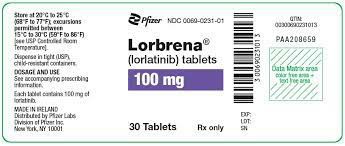
Lorlatinibis anotherALK inhibitor used to treat patients with ALK-positive metastatic non-small cell lung cancer. It is typically used in patients who have progressed on prior ALK inhibitors such as crizotinib, ceritinib, or alectinib. Larlatinibis designed to overcome resistance to earlyALK inhibitors and has the unique ability to effectively penetrate the blood-brain barrier, which is critical for the treatment of brain metastases.
In clinical trials, lorlatinib showed significant efficacy in patients who had failed previous ALK inhibitor treatment. The objective response rate (ORR) in patients treated with lorlatinib was significant, with many patients achieving partial or complete responses. The median duration of response (DOR) was also noteworthy, suggesting that lorlatinib may provide durable benefit in patients with ALK-positive NSCLC. These results support the use oflorlatinibtreatment in otherPatients with ALK-positive non-small cell lung cancer who have progressed on ALK-targeted therapy.
[ 免责声明 ] 本页面内容来自公开渠道(如FDA官网、Drugs官网、原研药厂官网等),仅供持有医疗专业资质的人员用于医学药学研究参考,不构成任何治疗建议或药品推荐。所涉药品可能未在中国大陆获批上市,不适用于中国境内销售和使用。如需治疗,请咨询正规医疗机构。本站不提供药品销售或代购服务。


