
.jpeg)
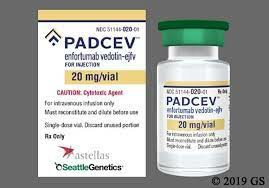
Detailed medication instructions for ennosumab patients
1. Indications:
Enfortumab is indicated for the treatment of patients with advanced or metastatic urothelial cancer, particularly those whose disease has progressed despite prior treatment with platinum-based chemotherapy and PD-1/PD-L1 inhibitors.
2. Mechanism of action:
Ennosumab is a targeted therapy drug that binds to the Nectin-4 target and releases cytotoxins to kill cancer cells. Nectin-4 is a protein that is overexpressed in a variety of cancers, including urothelial carcinoma.
3. Pharmacology:
Ennosumab bindsNectin-4, causing the drug- target complex to enter the interior of cancer cells and release cytotoxins, triggering cell apoptosis. This mode of action enables ennosumab to selectively kill Nectin-4 positive cancer cells and reduce damage to healthy tissue.
4. Dosage and usage:
Ennosumab is administered intravenously. The usual dose is 1.25mg/kg (maximum dose is 125mg), on day 21 Intravenous infusion for 30 minutes on days 1 and 8 will continue until disease progression or unacceptable toxicity occurs. Dosage may be adjusted based on the patient's individual condition and tolerance.
5. Side effects:
Common side effects include fatigue, nausea, vomiting, diarrhea, rash, loss of appetite, etc. In addition, ennosumab may also cause serious adverse reactions, such as allergic reactions, abnormal liver function, immune-related adverse events, etc. Patients should closely observe any adverse reactions during medication and report them to their doctor in a timely manner.
6. Warnings and precautions:
During treatment with ennosumab, patients need to closely monitor liver function, renal function and hematological indicators. At the same time, patients should have regular eye examinations because ennozumab may cause visual disturbances. Additionally, pregnant and breastfeeding women should avoid the use of ennozumab.
7. Contraindications:
Ennosumab is contraindicated in the following circumstances:
1.Patients who are allergic to this drug or any of its ingredients;
2.Pregnant and lactating women.
8. Drug interactions:
Ennosumab may interact with other drugs, affecting their efficacy or increasing the risk of adverse reactions. Inform your doctor about all medications you are taking, including prescription drugs, over-the-counter drugs, supplements, and botanicals before taking them.
9. Medication for special groups:
1.Elderly patients: Generally, the dosage of ennozumab in elderly patients is the same as that in general adults. However, elderly patients may be more susceptible to drug-related adverse reactions and therefore need to be used with caution.
2.Patients with hepatic impairment: The pharmacokinetics of ennozumab in patients with hepatic impairment have not been established and caution should be used when using it in these patients.
3.Patients with Renal Impairment: The pharmacokinetics of ennozumab in patients with renal insufficiency have not been established and caution should be used when using it in these patients.
10. Listing and price:
Ennosumab has not yet been launched in the domestic market, so domestic patients cannot purchase it directly. If patients need this drug, they must obtain it through overseas channels. At present, the original drug of ennozumab is mainly supplied in the foreign market, mainly the original drug produced in Japan. However, its price is high, and a single purchase costs more than 10,000 yuan, which indeed puts a certain amount of financial pressure on patients.
The above is the detailed medication instructions for patients with ennozumab. Patients should read it carefully before using the drug and use it correctly under the guidance of a doctor.
[ 免责声明 ] 本页面内容来自公开渠道(如FDA官网、Drugs官网、原研药厂官网等),仅供持有医疗专业资质的人员用于医学药学研究参考,不构成任何治疗建议或药品推荐。所涉药品可能未在中国大陆获批上市,不适用于中国境内销售和使用。如需治疗,请咨询正规医疗机构。本站不提供药品销售或代购服务。


