
.jpeg)
Enfortumab’s mechanism of action
Enfortumab is a targeted therapy drug. Its mechanism of action is mainly by binding to the Nectin-4 target, releasing cytotoxins, causing cancer cell apoptosis, thereby inhibiting the growth and spread of cancer cells.
1.BindsNectin-4Target: Nectin-4 is an intercellular adhesion protein that is usually highly expressed in a variety of cancers, including urothelial carcinoma. Ennosumab has a high degree of selective binding to Nectin-4, which means that it can specifically bind to sites where Nectin-4 is overexpressed on the surface of cancer cells without affecting normal cells.
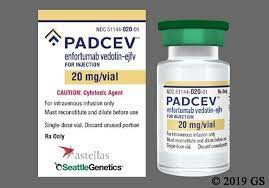
2.Release cytotoxins: Once ennosumab binds to Nectin-4, it enters the cancer cells and releases cytotoxins. These cytotoxins can act on the inside of cancer cells through various pathways, leading to apoptosis and death of cancer cells. This specific release of cytotoxins against cancer cells is a key step in the action of ennozumab, which inhibits tumor growth and spread by directly killing cancer cells.
3.Blocking the proliferation and spread of cancer cells: The proliferation and spread of cancer cells are key steps in tumor development and progression. Ennosumab blocks the proliferation and proliferation signaling pathways of cancer cells by acting on the Nectin-4 target, thereby inhibiting the growth and metastasis of cancer cells.
In general, the mechanism of action of ennosumab is to bind to the Nectin-4 target, release cytotoxins, cause cancer cell apoptosis, thereby inhibiting the growth and spread of cancer cells. This targeted therapy strategy is highly selective and specific and can reduce damage to normal cells while improving the killing effect on cancer cells. It is a promising cancer treatment strategy.
[ 免责声明 ] 本页面内容来自公开渠道(如FDA官网、Drugs官网、原研药厂官网等),仅供持有医疗专业资质的人员用于医学药学研究参考,不构成任何治疗建议或药品推荐。所涉药品可能未在中国大陆获批上市,不适用于中国境内销售和使用。如需治疗,请咨询正规医疗机构。本站不提供药品销售或代购服务。


