
.jpeg)
Which one is better, acotinib/acalabrutinib or zanubrutinib?
Acalabrutinib/Acalabrutinib and zanubrutinib are Bruton's tyrosine kinase (BTK) inhibitors used to treat certain types of B-cell malignancies, such as mantle cell lymphoma and chronic lymphocytic leukemia. Acotinib is known for its selective inhibition of BTK, potentially leading to fewer off-target effects, whereas zanubrutinib has a higher affinity for BTK, which may result in more potent BTK inhibition, but also a higher risk of side effects. When deciding between the two, it is important to consider individual patient factors, including specific indications, prior treatments, potential drug interactions and side effects, and consult a physician.
The active ingredient of acotinib isacalabrutinib, which is a second-generation Bruton’s tyrosine kinase (BTK) inhibitor. It has been shown to be effective in treating certain types of lymphoma, particularly mantle cell lymphoma (MCL), a subtype of non-Hodgkin lymphoma. Clinical trials have shown that acotinib can improve the response rate of patients with relapsed or refractory MCL. Regulators have approved the drug to treat MCL after failure of at least one prior treatment. Its efficacy is attributed to its ability to inhibit the BTK enzyme, which plays a crucial role in the survival and proliferation of malignant B cells.
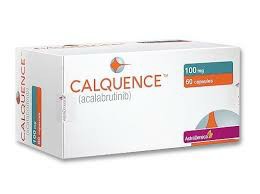
While acotinib is not currently approved for use in other types of lymphoma, ongoing clinical trials are investigating its potential use in various otherB cell malignancies. The drug's selective and targeted mechanism of action provides a promising treatment option for patients with B-cell lymphoma, and further research may expand its indications within the lymphoma category.
Zanubrutinib containszanubrutinib as its active ingredient, another next-generation BTK inhibitor that has been shown to be effective in the treatment of B-cell malignancies. Zanubrutinib has been studied in several types of lymphoma, including MCL, Wadenstrom's macroglobulinemia (WM), and marginal zone lymphoma (MZL). In clinical trials, zanubrutinib showed a high overall response rate in patients with relapsed or refractory MCL, leading to its approval for this indication. Additionally, the efficacy of zanubrutinib in WM and ongoing studies in other lymphoma subtypes suggest that zanubrutinib has broader therapeutic potential in the treatment of B-cell lymphomas.
The difference between these two drugs comes down to side effects. Compared with zanubrutinib, acotinib was associated with fewer side effects of most hypertension, bleeding, and any Grade 3 adverse events (Grade 3 indicates that the side effect is medically significant but not immediately life-threatening and may require hospitalization).
Compared with first-generation BTK inhibitors, zanubrutinib is designed to be more selective and have higher affinity for BTK, potentially leading to fewer off-target effects and better tolerability. This selectivity, coupled with its potent anti-tumor activity, makes Brookinsa an important addition to the treatment landscape for patients with B-cell lymphoma. As with acotinib, further research and clinical trials will continue to define the role of zanubrutinib in the management of various lymphoma subtypes.
[ 免责声明 ] 本页面内容来自公开渠道(如FDA官网、Drugs官网、原研药厂官网等),仅供持有医疗专业资质的人员用于医学药学研究参考,不构成任何治疗建议或药品推荐。所涉药品可能未在中国大陆获批上市,不适用于中国境内销售和使用。如需治疗,请咨询正规医疗机构。本站不提供药品销售或代购服务。


