
.jpeg)
Comprehensive overview of potential side effects of capmatinib
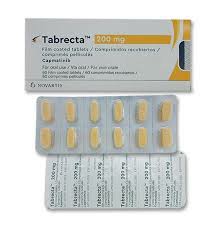
Capmatinib (capmatinib, also known as Tabrecta) is an innovative targeted therapy for MET mutations, providing a new treatment strategy for patients with non-small cell lung cancer with specific mutations. However, like many drugs, capmatinib may be accompanied by a series of side effects while demonstrating its remarkable efficacy. The following is a detailed review of the possible side effects of capmatinib.
Patients may experience pulmonary or respiratory adverse reactions while taking capmatinib. The most serious one is lung inflammation, which can be life-threatening in extreme cases. Therefore, patients must be on high alert for any new or worsening symptoms, such as cough, fever, difficulty breathing, or shortness of breath, and report them to their doctor immediately if detected.
In addition, capmatinib may also affect the patient's liver function, leading to abnormal liver function test results. Before starting treatment and periodically during treatment, your doctor will perform blood tests to monitor liver function. Patients should seek medical attention immediately if they develop symptoms such as jaundice, dark urine, light stools, confusion, persistent fatigue, loss of appetite, nausea, vomiting, or pain on the right side of the stomach area.
Capmatinib may also cause pancreatic problems, manifested by abnormally high levels of amylase and/or lipase in the blood. Symptoms such as upper abdominal pain (which may radiate to the back and worsen after eating), weight loss, nausea, or vomiting may be signs of impaired pancreatic function and require urgent medical attention.
It is important to note that capmatinib may cause allergic reactions. If allergic symptoms such as fever, chills, itching, rash, dizziness, nausea or vomiting occur, patients should stop taking the medication immediately and seek medical advice as soon as possible.
Also, patients taking capmatinib may have increased sun sensitivity and may need to take additional sun protection measures.
In addition to the more serious side effects mentioned above, common side effects of capmatinib include swelling of the hands and feet, nausea, muscle or bone pain, fatigue and weakness, vomiting, coughing, and loss of appetite. Also, the results of some blood tests may be altered by medications.
In summary, capmatinib, as a highly effective anti-tumor drug, brings therapeutic hope but may also be accompanied by a series of potential side effects. Patients should closely monitor changes in their symptoms during medication and maintain close communication with their doctors to ensure the safety and effectiveness of the treatment process. It needs to be emphasized that capmatinib is currently mainly sold in overseas markets. Patients should purchase it through formal channels when choosing and avoid using drugs from unknown sources.
[ 免责声明 ] 本页面内容来自公开渠道(如FDA官网、Drugs官网、原研药厂官网等),仅供持有医疗专业资质的人员用于医学药学研究参考,不构成任何治疗建议或药品推荐。所涉药品可能未在中国大陆获批上市,不适用于中国境内销售和使用。如需治疗,请咨询正规医疗机构。本站不提供药品销售或代购服务。


