
.jpeg)
What is the clinical efficacy of ensidipine?
Enasidenib, as a new generation of isocitrate dehydrogenase-2 (IDH2) inhibitor, has attracted widespread attention in the field of leukemia treatment in recent years. Ensidipine specifically targets leukemia patients with IDH2 mutations. IDH2 mutations are common in acute myeloid leukemia (AML), causing abnormal cell metabolism and promoting tumor growth. Ensidipine can effectively block this abnormal metabolic process by inhibiting the activity of IDH2, thereby achieving the effect of inhibiting tumor growth.
In a clinical trial involving199 patients diagnosed with relapsed or refractory AML with IDH2 mutations, treatment with ensidipine resulted in an overall response rate (ORR) of 40.3%. Among them, the complete response (CR) rate was 19.3%, the complete response rate (CRh) with hematological improvement was 4.0%, and the partial response (PR) rate was 15.6%. These data fully demonstrate the significant efficacy of ensidipine in patients with IDH2 mutations.
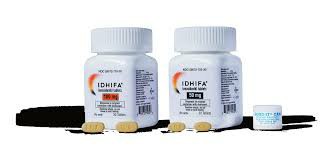
In addition to high response rates, ensidipine also demonstrated longer duration of response. In the above clinical trials, the median duration of response for patients was 8.2 months. For patients who achieved complete remission, the median survival time reached 19.7 months. These data further confirm the positive effect of ensidipine in extending patient survival.
In terms of safety, ensidipine also showed good performance. Although patients may experience some side effects during use, such as nausea, vomiting, diarrhea, etc., these are reversible and will gradually disappear after stopping the drug. At the same time, the incidence of serious side effects is relatively low, which also illustrates the safety of ensidipine.
In addition, ensidipine is also well tolerated. At recommended doses, most patients tolerate the drug well and are able to continue treatment. This provides patients with better treatment options and reduces their suffering.
It is worth mentioning that ensidipine can also be combined with other treatments forAML to improve efficacy. Clinical studies have found that combining IDH2 inhibitors with other AML-targeted therapies can significantly improve patient response rates and survival. This provides AML patients with more treatment options and hope.
In addition to direct therapeutic effects, ensidipine also improves patients' quality of life to a certain extent. Because the drug can significantly extend the patient's survival and reduce symptoms, the patient can maintain a relatively good physical and mental state during treatment. This is undoubtedly a huge boon for patients and gives them more confidence and courage when facing the disease.
Although ensidipine has shown significant efficacy and good safety and tolerability in clinical trials, we still need to pay attention to the challenges it may face in future application and development. For example, how to further improve the efficacy of drugs, reduce the incidence of side effects, and explore more combination treatment options are all important directions for future research.
In summary, ensidipine, as a new type of IDH2 inhibitor, has shown significant clinical efficacy in the treatment of adult patients with relapsed or refractory acute myelogenous leukemia with specific genetic mutations.
[ 免责声明 ] 本页面内容来自公开渠道(如FDA官网、Drugs官网、原研药厂官网等),仅供持有医疗专业资质的人员用于医学药学研究参考,不构成任何治疗建议或药品推荐。所涉药品可能未在中国大陆获批上市,不适用于中国境内销售和使用。如需治疗,请咨询正规医疗机构。本站不提供药品销售或代购服务。


