
.jpeg)
Analysis of the chemical structure and properties of acalatinib/acalabrutinib
Acalabrutinib/Acalabrutinib is a highly effective inhibitor of Bruton tyrosine kinase (BTK). Its precise molecular formula is C26H23N7O2, and the corresponding molecular weight reaches 465.51. In the field of chemistry, its more commonly mentioned name is 4-{8-amino-3-[(2S)-1-(but-2-ynyl)pyrrolidin-2-yl]imidazo[1,5-a]pyrazin-1-yl)}-N-(pyridin-2-yl)benzamide. Observing its physical form, acotinib appears as a white to yellow powder, and its solubility varies with changes in pH value. In particular, when the pH value is lower than 3, it shows good water solubility, but when the pH value rises above 6, its solubility decreases significantly and becomes almost insoluble in water.
Acotinib, formerly known asACP-196, is a leader among the second generation oral BTK small molecule inhibitors. Compared with traditional ibrutinib, acotinib has shown similar effects in the treatment of chronic lymphocytic leukemia (CLL), but it is more precise and does not produce unnecessary off-target effects on other kinases such as TEC, EGFR and ITK. The results of multiple preclinical studies have shown that acotinib and ibrutinib are equally effective in inhibiting BTK.
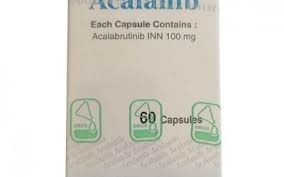
Based on these encouraging research results, the scientists further conducted a Phase 1/2 clinical study aimed at more in-depth evaluation of the actual efficacy and possible side effects of acotinib in the treatment of CLL. During 42 months of continuous observation, the researchers found that the side effects experienced by the patients, such as headaches, diarrhea, and upper respiratory tract infections, were all within control, and few patients discontinued treatment due to adverse reactions. Subsequent phase 3 clinical trials, including the ELEVATE-TN and ASCEND studies, further confirmed the efficacy and safety of acotinib, which also led to the US Food and Drug Administration (FDA) approval for the treatment of chronic lymphocytic leukemia and small lymphocytic lymphoma (SLL). Over time, its treatment also expanded to include mantle cell lymphoma (MCL).
After in-depth research, scientists found that a dose of 100 mg twice daily is the optimal dosage of acotinib. At this dose, acotinib can bind tightly to the C481 residue, and the occupancy rate of BTK reaches 99-100% 4 hours after administration, and its occupancy rate is still as high as 97% even 12 hours after administration. However, when the dose was increased to 200 mg twice daily, BTK occupancy showed greater interpatient variability (median BTK occupancy at trough was 92%, with only 66% of patients >90%).
[ 免责声明 ] 本页面内容来自公开渠道(如FDA官网、Drugs官网、原研药厂官网等),仅供持有医疗专业资质的人员用于医学药学研究参考,不构成任何治疗建议或药品推荐。所涉药品可能未在中国大陆获批上市,不适用于中国境内销售和使用。如需治疗,请咨询正规医疗机构。本站不提供药品销售或代购服务。


